
Kratom Laws and Regulations in South Dakota


- Key Takeaways
- Current Legal Status of Kratom in South Dakota
- Understanding the Controlled Substances Act and Kratom's Federal Classification
- What Kratom Is Used For: Common Applications and Consumer Rights in South Dakota
- Comparing South Dakota Kratom Laws with Neighboring States
- Harm Reduction for Kratom Addiction in South Dakota
- Quality Standards and Consumer Protection for Kratom in South Dakota
- Age Restrictions and Purchase Requirements for Kratom in South Dakota
- Conclusion
- Frequently Asked Questions
South Dakota’s kratom regulatory landscape provides a balanced framework that maintains legal access for adults while implementing crucial consumer protections. Following the unanimous passage of House Bill 1056 in 2025 (66-0 in the House, 35-0 in the Senate), the state joined dozens of other states with age-restricted kratom regulations. For consumers seeking lab-tested kratom products, understanding these regulations ensures both legal compliance and product safety in a market where quality standards vary significantly.




Key Takeaways
- Kratom remains legal for adults 21+ in South Dakota with new regulations effective February 25, 2025
- 7-hydroxymitragynine concentration is limited to 2% of total alkaloid content to prevent high-potency products
- Violations carry Class 2 misdemeanor penalties, emphasizing the importance of vendor compliance
- South Dakota chose regulation over prohibition, contrasting with six states that have complete bans (with Tribal jurisdictions setting their own rules)
- Products require comprehensive labeling, including alkaloid content and pregnancy warnings
- No federal scheduling exists – kratom isn’t classified as a controlled substance under federal law
- Age verification is mandatory for all sales, with proof of ID required for purchase
- County and city-level bans don’t currently exist in South Dakota, providing statewide consistency
Current Legal Status of Kratom in South Dakota
South Dakota’s approach to kratom regulation reflects a growing trend toward consumer protection frameworks rather than outright prohibition. The state’s House Bill 1056 establishes clear parameters for legal kratom commerce while addressing public health concerns through product standards and age restrictions.
State-Level Regulations
The comprehensive regulatory framework includes:
- Age restriction: 21 years minimum for purchase and possession
- Alkaloid limits: 2% maximum 7-hydroxymitragynine concentration
- Labeling requirements: Mandatory alkaloid content disclosure and pregnancy warnings
- Penalties: Class 2 misdemeanor for violations
- Effective date: February 25, 2025, implementation
These regulations place South Dakota among 24 states that currently regulate kratom products with various restrictions, creating a middle ground between prohibition and unrestricted access.
County and City Restrictions
Unlike some states with patchwork local ordinances, South Dakota maintains consistent statewide regulations without additional county or city-level kratom bans. This uniformity simplifies compliance for vendors and provides clarity for consumers throughout the state.
Recent Legislative Changes
The 2025 legislation represents South Dakota’s most comprehensive kratom regulation to date. Representative Brian Mulder, the bill’s primary sponsor, emphasized concerns about pregnant women using kratom as a transitional substance, leading to mandatory pregnancy labeling requirements. The unanimous legislative support demonstrates a broad consensus on the need for consumer protection without eliminating adult access.
Understanding the Controlled Substances Act and Kratom’s Federal Classification
The federal regulatory landscape for kratom differs significantly from traditional controlled substances, creating a complex legal environment where state laws primarily govern access and safety standards.
Federal vs. State Jurisdiction
Kratom (Mitragyna speciosa) currently exists in a unique regulatory position:
- No federal scheduling: Unlike Schedule I drugs, kratom remains unscheduled federally
- FDA oversight: The agency maintains no approved medical uses for kratom
- Interstate commerce: Legal transport between states where kratom is permitted
- Import regulations: Subject to FDA import alerts and seizures
The Drug Enforcement Administration considered emergency scheduling in 2016 but withdrew the proposal following public comment, leaving kratom in regulatory limbo at the federal level.
DEA’s Position on Kratom
The DEA continues monitoring kratom but hasn’t pursued scheduling since the 2016 withdrawal. Key factors influencing their position include:
- Ongoing research into the therapeutic potential and safety profile
- Public advocacy from consumer groups and researchers
- State-level regulation demonstrating alternative control models
- International perspectives on traditional use patterns
This federal restraint allows states like South Dakota to develop tailored regulatory approaches that balance access with safety concerns.
What Kratom Is Used For: Common Applications and Consumer Rights in South Dakota
Understanding kratom’s traditional and modern applications helps contextualize South Dakota’s regulatory framework and consumer protection measures.
Traditional Uses
Kratom has been used in Southeast Asian cultures for centuries:
- Energy enhancement: Low doses for combating fatigue
- Cultural ceremonies: Religious and social applications
- Agricultural work: Supporting physical labor demands
These historical uses inform contemporary applications while highlighting the need for quality standards like those found in GMP-compliant kratom products.
Modern Applications
Contemporary kratom use in South Dakota reflects diverse consumer needs:
Wellness support:
- Mental clarity and focus enhancement
- Relaxation and stress management
- Energy alternatives to caffeine
- Post-workout recovery support
Usage statistics:
- 0.7% of Americans used kratom in the past year
- 1.5% lifetime prevalence in the United States
- Users are predominantly male (61.2%) and white (81.9%)
- Most users (55.2%) are between the ages of 18 and 34
Legal Uses in SD
South Dakota law permits kratom use for adults 21+ for any legal purpose:
- Personal consumption: No restrictions on private use
- Retail availability: Legal sale with proper compliance
- Online purchasing: Permitted with age verification
- Possession limits: No quantity restrictions for personal use
Comparing South Dakota Kratom Laws with Neighboring States
Regional variations in kratom regulation create important considerations for South Dakota residents traveling or purchasing across state lines.
Midwest Kratom Regulations
South Dakota’s neighbors demonstrate diverse regulatory approaches:
Montana: Legal without specific regulations
- North Dakota: Legal for adults 18+
- Minnesota: Legal with some local restrictions
- Iowa: Legal without age restrictions
- Nebraska: Legal without specific regulations
- Wyoming: Legal without restrictions
This regional consistency facilitates interstate commerce while South Dakota’s 21+ age requirement represents the strictest age limit among neighboring states.
Interstate Commerce Rules
Federal oversight of interstate kratom commerce remains limited:
Shipping restrictions: Some carriers refuse kratom shipments
- State reciprocity: No formal agreements between states
- Online sales: Subject to destination state laws
- Import regulations: FDA monitors international shipments
Understanding these variations helps ensure compliance when purchasing wholesale kratom or traveling with products.
Harm Reduction for Kratom Addiction in South Dakota
Addressing dependency risks through education and harm reduction strategies aligns with South Dakota’s consumer protection approach.
Harm Reduction Strategies
Evidence-based approaches minimize risks while respecting consumer autonomy:
- Dosage tracking: Document amounts and frequency
- Regular breaks: Implement tolerance resets
- Quality sourcing: Choose lab-tested products with verified alkaloid content
- Avoid mixing: Don’t combine with other substances
- Medical consultation: Discuss use with healthcare providers
Resources for South Dakotans
Support services available for those experiencing kratom-related issues:
State resources:
- South Dakota Department of Social Services helpline
- Local addiction treatment centers
- Peer support groups
- Harm reduction programs
National resources:
- SAMHSA National Helpline: 1-800-662-4357
- Online support communities
- Telemedicine addiction services
The state’s regulatory framework supports harm reduction through product standards while maintaining access for responsible adult use.
Quality Standards and Consumer Protection for Kratom in South Dakota
South Dakota’s regulations emphasize product quality and consumer safety through specific standards and testing requirements.
AKA Vendor Standards
The American Kratom Association’s Good Manufacturing Practice standards influence South Dakota’s regulatory approach:
- Third-party testing: Heavy metals, pathogens, and alkaloid content
- Facility standards: Clean processing environments
- Batch tracking: Comprehensive record-keeping
- Product consistency: Standardized alkaloid profiles
Vendors following AKA requirements demonstrate commitment to consumer safety beyond minimum legal requirements.
Testing Requirements
South Dakota’s legislation mandates specific quality controls:
Alkaloid testing:
- 7-hydroxymitragynine is limited to 2%
- Total mitragynine content disclosure
- Synthetic alkaloid prohibition
- Batch-specific results
Contaminant screening:
- Microbiological testing
- Heavy metal analysis
- Pesticide residue detection
- Adulterant identification
Consumer Rights
Legal protections for South Dakota kratom consumers include:
- Accurate labeling: Required alkaloid content disclosure
- Age verification: Protection for minors
- Product recalls: Mechanism for removing unsafe products
- Violation reporting: Class 2 misdemeanor penalties for non-compliance
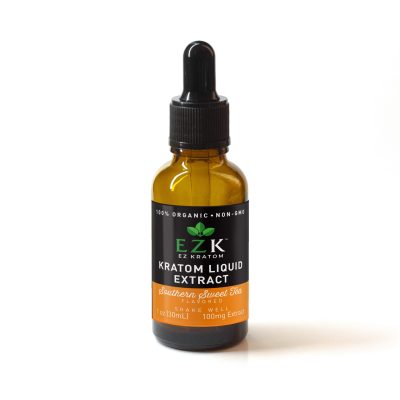
Products meeting these standards, like GMP-compliant liquid extracts, provide verified quality and potency for informed consumer choice.
Age Restrictions and Purchase Requirements for Kratom in South Dakota
South Dakota’s 21+ age requirement represents one of the strictest age limits for kratom nationally, reflecting legislative concerns about youth access.
Vendor Requirements
Retailers must implement comprehensive age verification:
In-person sales:
- Valid photo ID verification
- Electronic age verification systems are recommended
- Staff training on compliance
- Posted age restriction signage
Online purchases:
- Age verification at checkout
- Signature required upon delivery
- Third-party age verification services
- Account creation requirements
Online vs. Retail Purchases
Different verification standards apply to various sales channels:
Retail advantages:
- Immediate product access
- Visual product inspection
- Direct vendor interaction
- No shipping delays
Online benefits:
- Wider product selection like sample packs
- Price comparison ease
- Discreet purchasing
- Detailed lab results access
Enforcement Mechanisms
South Dakota enforces age restrictions through multiple channels:
- Compliance checks: Random verification operations
- Violation penalties: Class 2 misdemeanor charges
- License implications: Potential business permit issues
- Civil liability: Risk of lawsuits from underage sales
Future Regulatory Possibilities
Potential evolution of South Dakota’s kratom framework:
- Licensing systems: Vendor registration requirements
- Taxation models: Revenue generation opportunities
- Enhanced testing: Expanded quality standards
- Federal coordination: Potential nationwide standards
Understanding these regulatory comparisons helps contextualize kratom’s legal status and potential future changes.
Conclusion
South Dakota’s kratom regulations represent a pragmatic approach balancing adult access with consumer protection. The unanimous legislative support for HB1056 demonstrates broad consensus on the need for product standards without resorting to prohibition. With the law effective since February 25, 2025, adults 21 and older can legally purchase kratom products meeting specific quality standards, including the 2% limit on 7-hydroxymitragynine concentration.
The state’s regulatory framework provides clearer guidance than the federal landscape, where kratom remains unscheduled despite ongoing FDA concerns. This state-level approach allows South Dakota to address specific public health concerns while respecting consumer choice and avoiding the pitfalls of complete prohibition seen in seven other states.
Moving forward, South Dakota’s kratom regulations may evolve as more research emerges and other states develop their own frameworks. For now, the state provides a model of measured regulation that prioritizes safety through product standards and age restrictions while maintaining legal access for responsible adult use.


Frequently Asked Questions
Q: Can I grow kratom plants for personal use in South Dakota?
A: South Dakota’s kratom regulations focus on commercial sale and distribution rather than personal cultivation. The law doesn’t explicitly prohibit growing kratom plants for personal use, as Mitragyna speciosa isn’t classified as a controlled substance. However, processing and preparing kratom products for sale must comply with the 2% 7-hydroxymitragynine limit and labeling requirements. The tropical plant requires specific growing conditions rarely found in South Dakota’s climate, making indoor cultivation with controlled temperature and humidity the only viable option.
Q: What happens if I’m caught with kratom under age 21 in South Dakota?
A: Possession or purchase of kratom by individuals under 21 violates South Dakota Codified Laws Section 34-20B-115, carrying Class 2 misdemeanor penalties. Consequences may include fines up to $500, up to 30 days in jail, or both. Additionally, vendors selling to minors face the same criminal penalties plus potential civil liability and business license complications. The age restriction applies statewide without local variations.
Q: Are kratom extracts and enhanced products legal in South Dakota?
A: Kratom extracts and enhanced products remain legal in South Dakota, provided they comply with the 2% 7-hydroxymitragynine concentration limit. The law doesn’t distinguish between plain leaf powder and concentrated forms, applying the same alkaloid restrictions to all products. However, the American Herbal Products Association strongly discourages synthetic alkaloid products, and vendors must ensure extracts meet labeling requirements, including alkaloid content disclosure and pregnancy warnings.
Q: How do South Dakota’s kratom laws affect online purchases from out-of-state vendors?
A: Online vendors shipping to South Dakota must comply with state regulations, including age verification and product standards. The 21+ age requirement applies regardless of the vendor’s location, and products must meet the 2% 7-hydroxymitragynine limit. Many reputable vendors already implement age verification systems and provide lab testing results. Consumers should verify vendor compliance before purchasing, as receiving non-compliant products could create legal issues.
Q: What should I do if I experience adverse effects from kratom in South Dakota?
A: If experiencing severe adverse effects, seek immediate medical attention and inform healthcare providers about kratom use. Report the incident to the FDA’s MedWatch program and preserve the product for potential testing. South Dakota doesn’t have kratom-specific reporting requirements, but documenting adverse events helps inform future regulations. The poison control reports from 2014-2019 numbered over 3,400 nationally, emphasizing the importance of proper reporting for public health monitoring.
Q: Can employers in South Dakota test for kratom use?
A: South Dakota law doesn’t prohibit employer kratom testing, and private employers maintain discretion over workplace drug policies. Since kratom isn’t federally scheduled, it doesn’t appear on standard drug panels but can be detected through specialized testing. Some employers, particularly in safety-sensitive positions, may include kratom in expanded screening. Unlike medical marijuana protections in some states, kratom use receives no employment law protections in South Dakota.


Stay Informed with articles sent directly to your inbox
Get notified as soon as we post EZK news articles. This will help you stay informed and up to date on what is happening in the kratom industry, provide you with valuable tips on buying kratom wholesale, and so much more. We hope to see you on the list!
The information and articles on these pages are solely the opinions of third-party authors and not that of EZ Kratom or its owners or employees. EZ Kratom and its owners and employees in no way, shape, or form claim to be medical, scientific, or legal professionals and cannot be held responsible for and will not be liable for any inaccuracy or application of any information provided in these articles.
About EZ Kratom
EZ Kratom‘s mission is to provide top-notch bulk kratom and wholesale kratom powder while beating the competitors’ prices. It is hard to find consistent, premium quality bulk kratom or wholesale kratom powder on a regular basis. Here at EZK, we let the kratom speak for itself. Time and time again, we open our packages up to the freshest, cleanest smelling kratom powder, and we cannot wait to share our kratom powder with the entire wholesale kratom and bulk kratom community!
Shop Kratom
10,000+
Customers Satisfied

99.76%
Successfully Delivered

9+
Years Supporting the Community and Small Family-Owned Farms Throughout Southeast Asia

More Kratom Articles

Is Kratom Legal in South Carolina?

Is Kratom Legal in Alabama? Here's What ...
