

Kratom Laws and Regulations in Montana


- Key Takeaways
- Current Legal Status: Montana's Hands-Off Approach
- Failed 2025 Legislation: What House Bill 407 Would Have Changed
- Federal Agency Positions: Creating Regulatory Uncertainty
- Product Safety Concerns: What Montana Consumers Face
- Comparing Montana to National Kratom Regulations
- Understanding Kratom's Effects and Testing
- Consumer Demographics and Usage Patterns
- Expert Perspectives on Montana's Regulatory Future
- Safety Considerations for Montana Consumers
- Future Legislative Outlook
- Why EZ Kratom Leads in Product Safety
- Conclusion
- Frequently Asked Questions
Montana stands as one of the most permissive states for kratom consumers, with no statewide bans or regulatory frameworks currently in place as of 2025. This legal environment allows adults to freely purchase, possess, and use kratom products like premium powders and liquid extracts throughout the state without criminal penalties. While this freedom provides convenient access for the 0.7% of US adults who used kratom in the past year, it also means consumers bear full responsibility for product quality and safety verification in an unregulated market.



Key Takeaways
- Kratom remains completely legal in Montana with no state or local restrictions (not including reservations) for adults as of 2025
- House Bill 407 failed in 2025 despite passing the committee 19-1, leaving Montana without consumer protection standards
- No Montana cities have enacted local bans, unlike states where municipalities restrict kratom independently
- Federal agencies classify kratom as a “drug of concern” but not a controlled substance, creating regulatory ambiguity
- Product quality varies significantly, with testing revealing heavy metals in the kratom products analyzed
- Standard drug tests don’t detect kratom, though specialized panels can identify mitragynine metabolites
- Future legislation is likely, as 22 states now regulate kratom compared to only 6 with complete bans
Current Legal Status: Montana’s Hands-Off Approach
Montana maintains one of the nation’s most liberal stances on kratom, with no known restrictions at the state or local levels. This regulatory vacuum means adults can legally purchase any kratom products—from traditional powders to concentrated extracts—without age verification requirements or quality standards.
Statewide Legal Framework
The absence of kratom legislation creates both opportunities and risks:
- No possession limits on kratom quantities for personal use
- No age restrictions, though responsible vendors self-impose 18+ or 21+ policies
- No licensing requirements for retailers selling kratom products
- No mandatory testing for contaminants or alkaloid content
- No labeling standards for dosage or safety warnings
Local Municipal Policies
Unlike states where cities independently ban kratom, Montana’s major population centers maintain consistent legality:
- Billings: No local ordinances restricting kratom
- Missoula: Full legal access maintained
- Great Falls: No pending legislation
- Helena: The State capital hasn’t pursued restrictions
- Bozeman: University town allows unrestricted sales
This uniform approach across Montana eliminates confusion for consumers traveling between cities, unlike neighboring states, where legality changes by county.
Failed 2025 Legislation: What House Bill 407 Would Have Changed
Montana’s most recent legislative attempt to regulate kratom, House Bill 407, sponsored by Rep. Nelly Nicol (R-Billings), sought to establish the state’s first Kratom Consumer Protection Act. The bill passed the Business and Labor Committee 19-1 but died in the Appropriations Committee, leaving Montana without quality standards.
Proposed Consumer Protections
HB 407 would have implemented comprehensive safeguards:
Age restrictions:
- Prohibition on sales to anyone under 21
- Required ID verification at the point of sale
- Penalties for underage distribution
Product standards:
- Mandatory third-party laboratory testing
- Maximum alkaloid concentration limits
- Ban on synthetic kratom compounds
- Prohibition of adulterants and dangerous additives
Labeling requirements:
- Clear alkaloid content disclosure
- Batch identification numbers
- Manufacturer contact information
- Health warning statements
Why the Bill Failed
According to legislative observers at Montana Free Press, several factors contributed to HB 407’s failure:
- Fiscal concerns about implementation costs
- Industry influence on the American Kratom Association drafting bill language
- Limited evidence as legislators awaited comprehensive studies
- Federal uncertainty regarding DEA and FDA positions
Rep. Nicol expressed frustration, stating her goal was simply to “get something passed. Something” to protect consumers.
Federal Agency Positions: Creating Regulatory Uncertainty
While Montana lacks state regulations, federal agencies maintain complex positions affecting kratom’s legal status and market availability.
DEA Classification Status
The Drug Enforcement Administration currently lists kratom as a “drug and chemical of concern” but hasn’t scheduled it as a controlled substance. This designation means:
- No federal criminal penalties for possession or distribution
- Enhanced monitoring of adverse events and seizures
- Potential for emergency scheduling with 30-day notice
- Import alerts allowing customs seizures
FDA Safety Warnings
The Food and Drug Administration maintains that kratom isn’t approved for any medical use and has issued multiple consumer warnings.
FDA actions affecting Montana consumers:
- Import alerts restricting international shipments
- Warning letters to companies making health claims
- Voluntary recalls for contaminated products
- Adverse event monitoring through the FAERS database
Product Safety Concerns: What Montana Consumers Face
Without mandatory testing requirements, Montana kratom consumers encounter significant quality variations. Research shows mitragynine concentrations ranging from 3.9-62.1 mg/g in commercial products—a 16-fold difference affecting potency and safety.
Contamination Risks
Microbial contamination:
- E. coli and mold in untested products
- Risk increases with improper storage
Adulteration concerns:
- Prescription medications mixed without disclosure
- Inconsistent alkaloid profiles between batches
Quality Verification Strategies
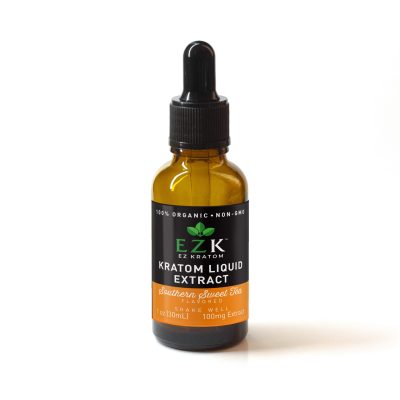
Montana consumers must self-advocate for safety by choosing vendors like EZ Kratom, who provide:
- Third-party lab results for each batch
- GMP-compliant manufacturing processes
- Transparent sourcing from established suppliers
- Clear labeling of alkaloid content
- Proper packaging in UV-protected containers
Comparing Montana to National Kratom Regulations
Montana’s unregulated status becomes clearer when compared to the 22 states with kratom regulations and 7 states with complete bans.
States with Complete Bans
These states prohibit all kratom possession and sales:
-
- Alabama: Schedule I controlled substance
- Arkansas: Banned since 2015
- Indiana: Synthetic drug classification
- Rhode Island: Prohibited since 2017
- Vermont: Regulated as a dangerous drug
- Wisconsin: Classified with synthetic cannabinoids
- Louisiana: Recently banned this year
States with Consumer Protection Acts
14 states have passed KCPAs establishing quality standards:
Comprehensive regulations include:
- Age restrictions (typically 18 or 21+)
- Mandatory contaminant testing
- Alkaloid concentration limits
- Registration requirements for vendors
- Clear labeling standards
- Penalties for violations
Montana’s Middle Ground
Montana joins states like Wyoming, Idaho, and the Dakotas in maintaining full legality without regulations. This approach:
Benefits:
- Maximum consumer freedom
- Lower prices without compliance costs
- Diverse product availability
- No criminal penalties
Drawbacks:
- No quality guarantees
- Inconsistent product standards
- Limited recourse for contaminated products
- Potential federal intervention
Understanding Kratom’s Effects and Testing
For Montana residents using kratom capsules or powders, understanding pharmacology and detection helps inform responsible use.
Drug Testing Considerations
Standard employment screenings don’t detect kratom:
Typical drug panels:
- 5-panel tests: No kratom detection
- 10-panel tests: No kratom detection
- DOT screenings: Kratom not included
Specialized detection:
- Specific kratom tests are available but rarely used
- Detection window: 1-7 days, depending on use
- No federal mandates for kratom testing
Consumer Demographics and Usage Patterns
Understanding who uses kratom in Montana helps contextualize regulatory discussions. National surveys reveal a 0.7% prevalence among the general population, with specific demographic patterns.
Typical User Profile
Research identifies common characteristics:
- Age: 30-50 years is the most common
- Gender: Slight male predominance
- Income: $50,000-$80,000 household income
- Race: Predominantly Caucasian users
- Education: Varied educational backgrounds
Reported Usage Motivations
Montana consumers cite various reasons for choosing kratom products:
Primary motivations:
- Energy and focus enhancement
- Mood improvement
Usage patterns:
- Daily use is common among regular consumers
- Dose escalation reported over time
- Less than 1% seek medical treatment for kratom-related issues
Expert Perspectives on Montana’s Regulatory Future
Industry representatives and researchers offer conflicting views on Montana’s regulatory path forward.
Industry Position
Mac Haddow, representing the American Kratom Association, testified before Montana legislators: “We hope that you will see the wisdom of saying to the FDA that, until you act responsibly, we are going to protect the citizens of Montana, making sure that they have safely formulated, properly labeled, and age-restricted kratom products.”
Academic Concerns
University of Florida researcher Oliver Grundmann expressed skepticism about self-regulation: “Naturally, a company is driven by profits and making sure that they can retain their profits. I’m skeptical of self-regulation.”
Christopher McCurdy, also from the University of Florida, noted that “the lack of a standardized product has prevented rigorous clinical trials” to evaluate kratom’s claimed benefits.
Safety Considerations for Montana Consumers
Without state oversight, Montana kratom users must prioritize personal safety measures when selecting products.
Risk Reduction Strategies
Montana consumers can minimize risks through:
Product selection:
- Choose lab-tested products from reputable vendors
- Verify third-party testing certificates
- Start with lower potency options like sample packs
- Avoid products with unrealistic claims
Usage guidelines:
- Begin with minimal doses (1-2 grams)
- Avoid combining with other substances
- Stay hydrated during use
- Monitor for adverse reactions
Medical considerations:
- Consult healthcare providers about interactions
- Avoid use with liver conditions
- Consider FDA-approved alternatives
- Report adverse events to the FDA
Future Legislative Outlook
Montana’s failed House Joint Resolution 60 indicates continued legislative interest in studying kratom before implementing regulations.
Potential Regulatory Models
Future Montana legislation might follow successful frameworks from other states:
Nevada-style KCPA:
- Age restriction at 18+
- Mandatory testing requirements
- Synthetic alkaloid prohibition
- Registration system for vendors
Utah approach:
- Strict labeling requirements
- Database of approved products
- Regular compliance audits
- Consumer complaint system
Timeline Considerations
Several factors will influence Montana’s regulatory timeline:
- Federal actions: DEA or FDA decisions could force state response
- Neighboring states: Regional consistency may drive legislation
- Public health events: Contamination incidents could accelerate regulation
- Industry cooperation: Vendor support affects political viability
Why EZ Kratom Leads in Product Safety
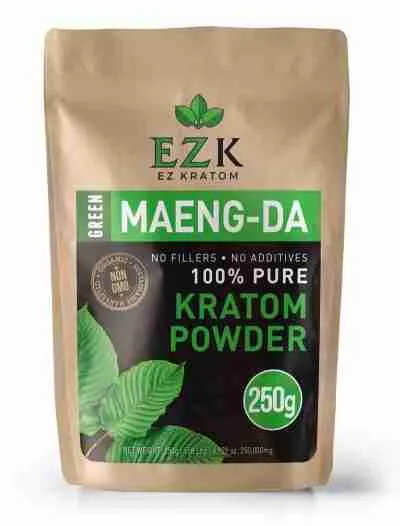
While Montana lacks mandatory standards, EZ Kratom voluntarily exceeds industry benchmarks through comprehensive quality protocols. Our GMP-compliant facilities and rigorous testing ensure Montana consumers receive safe, consistent products despite the regulatory vacuum.
Every batch undergoes full-panel laboratory testing for contaminants, with results available online. From ultra-enhanced powders to convenient liquid extracts, our products maintain the same quality standards required in regulated states, providing Montana consumers with confidence in an uncertain market.
Conclusion
Montana’s kratom landscape reflects broader national tensions between consumer freedom and public safety. While current law allows unrestricted adult access to diverse kratom products, the absence of quality standards places responsibility entirely on consumers to verify product safety and authenticity.
The failure of House Bill 407 demonstrates both legislative recognition of regulatory needs and the political challenges of implementation. As more states adopt consumer protection frameworks and federal agencies continue monitoring kratom’s risks, Montana will likely face increasing pressure to establish standards protecting consumers while preserving access.
Until regulations arrive, Montana kratom users must remain vigilant about product quality, choosing vendors committed to transparency and testing. The state’s regulatory future remains uncertain, but the growing national trend toward protection over prohibition suggests Montana may eventually join the 14 states with KCPAs rather than the shrinking number maintaining complete bans.


Frequently Asked Questions
Q: Can Montana employers test for kratom use?
A: While kratom doesn’t appear on standard drug panels, Montana employers can implement specialized kratom testing if they choose. Since Montana follows at-will employment laws, private companies can establish their own substance use policies, including kratom prohibition. However, most employers don’t currently test for kratom due to additional costs and the substance’s legal status. Government positions, especially those requiring security clearances or CDL licenses, may have stricter policies despite kratom’s legality.
Q: What happens if federal agencies ban kratom while Montana has no state law?
A: If the DEA emergency schedules kratom or Congress passes a federal prohibition, Montana would automatically enforce federal law regardless of the absence of state legislation. This scenario would immediately criminalize possession and distribution throughout Montana, similar to how federal marijuana prohibition applies despite state legalization.
Q: Are there any Montana cities considering local kratom bans?
A: Currently, no Montana municipalities have proposed or enacted local kratom ordinances. Unlike states such as Mississippi or California, where cities independently banned kratom, Montana communities have shown little interest in local restrictions. This could change if public health incidents occur or neighboring states implement bans, creating cross-border concerns. City councils in Billings, Missoula, and Bozeman haven’t scheduled kratom discussions as of 2025.
Q: How do Montana’s Native American reservations handle kratom?
A: Tribal nations within Montana maintain sovereign authority to regulate kratom independently of state law. Each of Montana’s seven reservations can establish unique kratom policies ranging from complete prohibition to unrestricted access. Currently, there’s one Montana tribe that has publicly announced kratom-specific regulations. Tribal law enforcement generally focuses on methamphetamine and opioid issues rather than kratom. Visitors should verify current tribal policies before bringing kratom onto reservation lands.
Q: What recourse do Montana consumers have for contaminated kratom products?
A: Without state regulations, Montana consumers must rely on general consumer protection laws and federal oversight for contaminated products. The FDA can issue recalls for products with dangerous contamination levels, as seen with heavy metals testing revealing lead and nickel in kratom products. Consumers can file complaints with the Montana Attorney General’s Office of Consumer Protection, report adverse events to the FDA’s MedWatch system, or pursue civil litigation for damages. However, the lack of state standards makes proving violations more challenging than in regulated states.


Stay Informed with articles sent directly to your inbox
Get notified as soon as we post EZK news articles. This will help you stay informed and up to date on what is happening in the kratom industry, provide you with valuable tips on buying kratom wholesale, and so much more. We hope to see you on the list!
The information and articles on these pages are solely the opinions of third-party authors and not that of EZ Kratom or its owners or employees. EZ Kratom and its owners and employees in no way, shape, or form claim to be medical, scientific, or legal professionals and cannot be held responsible for and will not be liable for any inaccuracy or application of any information provided in these articles.
About EZ Kratom
EZ Kratom‘s mission is to provide top-notch bulk kratom and wholesale kratom powder while beating the competitors’ prices. It is hard to find consistent, premium quality bulk kratom or wholesale kratom powder on a regular basis. Here at EZK, we let the kratom speak for itself. Time and time again, we open our packages up to the freshest, cleanest smelling kratom powder, and we cannot wait to share our kratom powder with the entire wholesale kratom and bulk kratom community!
Shop Kratom
10,000+
Customers Satisfied

99.76%
Successfully Delivered

9+
Years Supporting the Community and Small Family-Owned Farms Throughout Southeast Asia

More Kratom Articles

Is Kratom Legal in South Carolina?

Is Kratom Legal in Alabama? Here's What ...
