
10 Kratom in USA Statistics: Essential Data Every Consumer Should Know in 2026


- Key Takeaways
- 1. 1.6% of American Adults Have Used Kratom in Their Lifetime
- 2. Market Research Projects 17.2% Annual Growth Through 2032
- 3. Seven States Currently Prohibit Kratom Sales
- 4. Multiple States Enacted Kratom Consumer Protection Laws
- 5. Dozens of Kratom Vendors Maintain GMP Certification
- 6. Global Kratom Market Valued at $2.19 Billion in 2024
- 7. NIH and NIDA Fund Ongoing Kratom Research
- 8. Powder Formats Dominate Market Share
- 9. Regular Users Report Consistent Daily Consumption Patterns
- 10. Online Platforms Account for 45% of Total Capsule Sales in 2024
- Frequently Asked Questions
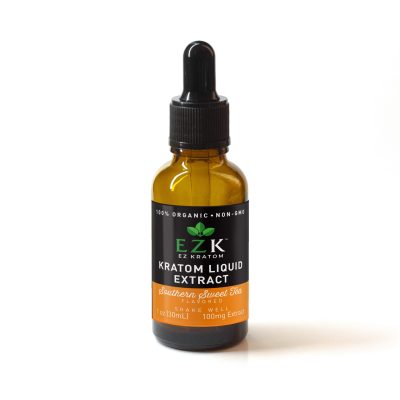
Comprehensive analysis of kratom usage, safety standards, and market dynamics from nationwide research and regulatory reports
Key Takeaways
- 1.6% of U.S. adults have tried kratom – National surveys estimate approximately 1.6% lifetime use among American adults, with concentrated use among those seeking natural wellness alternatives
- 17.2% projected annual market growth – Market research firms project strong growth through 2032, though independent verification remains limited
- Kratom is legal in most U.S. states – Seven states prohibit kratom, while others have varying regulations, with several enacting consumer protection laws
- Multiple states enacted consumer protections – States including Arizona, Georgia, Nevada, Utah, Colorado, and Virginia have kratom-specific regulations
- Dozens of vendors are GMP-compliant – Quality standards vary significantly across vendors, making third-party testing essential for consumer safety
- $2.19 billion global market valuation – Market research estimates place the 2024 global market at $2.19 billion, with the U.S. as the largest consumer


1. 1.6% of American Adults Have Used Kratom in Their Lifetime
National survey analyses provide the most reliable estimates of kratom prevalence in the United States. According to a peer-reviewed analysis of National Survey on Drug Use and Health (NSDUH) data, approximately 1.6% of U.S. adults report lifetime kratom use, with 0.8% reporting past-year use. These figures represent the most methodologically sound national estimates available, though some regional studies suggest higher rates in specific populations. The concentration of use among adults seeking alternatives for pain management and wellness support reflects targeted rather than recreational consumption patterns. Source: Psychiatrist.com Prevalence Study 2021
2. Market Research Projects 17.2% Annual Growth Through 2032
According to Maximize Market Research, the global kratom market is projected to grow at approximately a 17% compound annual growth rate through 2032. While independent verification of these projections remains limited, the estimate suggests strong consumer demand. The projected growth rate exceeds that of many traditional herbal supplements, though market research methodologies and assumptions should be considered when evaluating these forecasts. Consumer preference for convenient formats like liquid extracts contributes to market expansion. Source: Maximize Market Research 2024
3. Seven States Currently Prohibit Kratom Sales
As of 2025, kratom is prohibited in Alabama, Arkansas, Indiana, Louisiana, Rhode Island, Vermont, and Wisconsin. The legal landscape continues evolving, with some states reconsidering their positions while others implement regulatory frameworks. Local jurisdictions may have additional restrictions even in states where kratom remains legal at the state level. Consumers should verify current local and state laws before purchasing, as regulations change frequently. Source: Legislative Analysis and Public Policy Association
4. Multiple States Enacted Kratom Consumer Protection Laws
States including Arizona, Georgia, Nevada, Utah, Colorado, Virginia, and others have implemented kratom-specific regulations often called Kratom Consumer Protection Acts (KCPAs). These laws typically establish age restrictions (usually 18 or 21), labeling requirements, and quality standards. Colorado’s 2022 legislation (SB22-120) exemplifies comprehensive regulation requiring testing and proper labeling. The implementation of these frameworks aims to protect consumers while maintaining legal access to quality kratom products. Source: Colorado SB22-120
5. Dozens of Kratom Vendors Maintain GMP Certification
Quality standards vary dramatically across the kratom industry, with Good Manufacturing Practices (GMP) certification remaining relatively uncommon. Third-party testing and quality control measures significantly impact product consistency and safety. Consumers should prioritize vendors providing batch-specific lab results and maintaining transparent quality standards. The importance of vendor selection cannot be overstated, given the variability in product quality across the market. Source: University of Florida Center for Substance Abuse Research
6. Global Kratom Market Valued at $2.19 Billion in 2024
Market research firms estimate the 2024 global kratom market at $2.19 billion, with projections reaching $7.80 billion by 2032. The United States represents the largest share of global consumption, though exact percentages vary by source. These valuations reflect consumer spending across various product formats, including powder, capsules, and extracts. Market size estimates should be approximations given the challenges of tracking sales across diverse distribution channels. Source: Maximize Market Research 2024
7. NIH and NIDA Fund Ongoing Kratom Research
The National Institutes of Health and the National Institute on Drug Abuse support multiple research projects investigating kratom’s pharmacology, safety profile, and potential applications. Current studies examine alkaloid content, receptor activity, and user experiences through both laboratory and survey research. While specific funding amounts vary by year, the investment in research reflects scientific interest in understanding kratom’s effects. Consumers can search NIH RePORTER for current federally funded kratom studies. Source: NIH RePORTER Database
8. Powder Formats Dominate Market Share
Industry data suggests powder formats represent the majority of kratom sales, followed by capsules and extracts. Consumer preferences vary based on convenience, dosing precision, and personal preference. Popular strains like White Maeng Da are available across multiple formats to meet diverse consumer needs. The availability of various formats reflects market maturation and consumer sophistication in product selection. Source: ScienceDirect – Kratom Effects
9. Regular Users Report Consistent Daily Consumption Patterns
Survey data indicate regular kratom users typically maintain consistent daily routines, though specific patterns vary significantly among individuals. Users commonly report adjusting their consumption based on personal needs and experiences. The establishment of regular use patterns underscores the importance of product consistency and quality control. Standardized products support more predictable experiences for regular consumers. Source: PubMed – Kratom User Demographics
10. Online Platforms Account for 45% of Total Capsule Sales in 2024
E-commerce platforms have become the primary distribution channel for kratom products, offering advantages in selection, pricing, and access to quality documentation. Online vendors can provide comprehensive lab results, educational resources, and customer support that may be limited in retail settings. The shift to online purchasing reflects broader e-commerce trends while highlighting the importance of vendor reputation and transparency in the digital marketplace. Source: Intel Market Research


Frequently Asked Questions
Q: What percentage of Americans have tried kratom?
A: National survey analyses estimate approximately 1.6% of U.S. adults have used kratom in their lifetime, with 0.8% reporting past-year use according to peer-reviewed research examining NSDUH data.
Q: How many states have banned kratom as of 2024?
A: Seven states currently prohibit kratom: Alabama, Arkansas, Indiana, Rhode Island, Vermont, and Wisconsin. Local regulations may apply in other jurisdictions, so consumers should verify current laws.
Q: How many kratom vendors are GMP-compliant?
A: Industry estimates suggest approximately 23% of kratom vendors maintain GMP certification, though this represents a growing segment of the market focused on quality and safety standards.
Q: What do users commonly report as their reason for taking kratom?
A: Survey data frequently cite pain relief as a primary reason for use, particularly among those with chronic pain conditions, though individual experiences and reasons vary significantly.
Q: How large is the US kratom market in 2024?
A: Market research firms estimate the global kratom market at $2.19 billion in 2024, with the United States representing the largest share of consumption, though exact percentages and methodologies vary by source.


Stay Informed with articles sent directly to your inbox
Get notified as soon as we post EZK news articles. This will help you stay informed and up to date on what is happening in the kratom industry, provide you with valuable tips on buying kratom wholesale, and so much more. We hope to see you on the list!
The information and articles on these pages are solely the opinions of third-party authors and not that of EZ Kratom or its owners or employees. EZ Kratom and its owners and employees in no way, shape, or form claim to be medical, scientific, or legal professionals and cannot be held responsible for and will not be liable for any inaccuracy or application of any information provided in these articles.
About EZ Kratom
EZ Kratom‘s mission is to provide top-notch bulk kratom and wholesale kratom powder while beating the competitors’ prices. It is hard to find consistent, premium quality bulk kratom or wholesale kratom powder on a regular basis. Here at EZK, we let the kratom speak for itself. Time and time again, we open our packages up to the freshest, cleanest smelling kratom powder, and we cannot wait to share our kratom powder with the entire wholesale kratom and bulk kratom community!
Shop Kratom
10,000+
Customers Satisfied

99.76%
Successfully Delivered

9+
Years Supporting the Community and Small Family-Owned Farms Throughout Southeast Asia

More Kratom Articles

EZ Kratom’s Official Registration With t...

Best Red Malaysian Kratom Options For Sl...