
Does Mark Bell Consume Kratom?


- Key Takeaways
- Who Is Mark Bell and Why the Kratom Question Matters
- What Is Kratom? Botany, Chemistry, and Legal Status
- What Are the Benefits of Kratom? Evidence and User Reports
- Herbal Supplements and Kratom: How Kratom Fits the Category
- Does Mark Bell Actually Use Kratom? Examining the Evidence
- Quality Sourcing: What to Look for in Kratom Products
- Frequently Asked Questions About Kratom
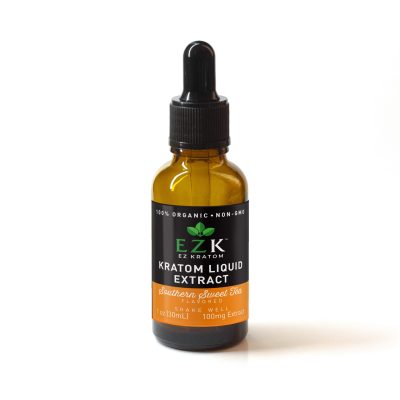
The question of whether prominent strength athlete and podcast host Mark Bell uses kratom has generated significant interest within the fitness and wellness communities. The answer, based on his own public statements, is a definitive yes. Bell has openly discussed his use of this Southeast Asian botanical, particularly as a pre-workout aid for its energizing and pain-mitigating properties.
For those interested in exploring kratom themselves, understanding its origins, effects, and the critical importance of sourcing is paramount. This starts with products like our lab-tested Green Maeng-Da Kratom Powder, which is sourced directly from trusted Indonesian farms.
Key Takeaways
- Mark Bell is a public kratom user, confirming his consumption on his podcast for pre-workout energy.
- Kratom’s effects are dose-dependent: low doses offer stimulation and focus, while higher doses provide calming and analgesic benefits, according to some users
- The kratom market is unregulated, making third-party lab testing and GMP compliance from vendors like EZKratom essential for safety.
- A critical regulatory distinction exists between traditional kratom leaf and dangerous, concentrated 7-hydroxymitragynine (7-OH) extracts, which the FDA has targeted for restriction.
- Quality sourcing is non-negotiable; look for vendors who provide full-panel lab testing, adhere to Good Manufacturing Practices, and source directly from reputable origins.
Who Is Mark Bell and Why the Kratom Question Matters
Mark Bell is a legendary figure in the world of powerlifting, known for his world-record lifts, his invention of the Sling Shot training tool, and his massive influence as a coach and podcast host through his “Power Project Podcast.” His massive following looks to him for advice on training, nutrition, and supplementation. Therefore, his public endorsement or use of a substance like kratom carries significant weight and naturally sparks curiosity and questions about its efficacy and safety within the athletic community.
Mark Bell’s Public Disclosure on Kratom
Bell has been notably transparent about his kratom use. On a June 2025 episode of his podcast, he stated, “I like it quite a bit pre-workout” and explained that “blunting pain is another thing that it does.” He framed his use as part of his broader philosophy of experimentation to understand how different compounds affect his body, noting that “everyone experiences drugs in a different way.” His candid discussion extends beyond mere use; he has dedicated episodes to kratom safety, including one titled “The 1 Kratom Product You Need to Avoid at All Costs,” which demonstrates a responsible approach that prioritizes consumer education alongside personal use.
What Is Kratom? Botany, Chemistry, and Legal Status
Kratom (scientifically known as Mitragyna speciosa) is a tropical evergreen tree in the coffee family, native to countries like Thailand, Malaysia, and Indonesia. For centuries, laborers in these regions have chewed its leaves to combat fatigue and manage discomfort from long hours of physical work. Today, the leaves are typically dried and ground into a powder for consumption.
Kratom’s Active Alkaloids
The primary psychoactive compounds in kratom are mitragynine and 7-hydroxymitragynine (7-OH). These alkaloids interact with the body’s opioid receptors, specifically as partial agonists at the mu-opioid receptor. However, a key distinction from classic opioids is that kratom alkaloids do not appear to activate the beta-arrestin pathway, which is responsible for dangerous side effects like respiratory depression.
This unique pharmacological profile is central to its reported effects and the ongoing debate about its safety and therapeutic potential. 7-OH, in particular, is a potent alkaloid with an affinity for opioid receptors that is approximately 13 times greater than morphine.
What Are the Benefits of Kratom? Evidence and User Reports
The reported benefits of kratom are intrinsically linked to the dose consumed, a phenomenon known as dose-dependent effects.
Dose-Dependent Benefit Profiles
- Low Doses (1-5 grams): At these levels, kratom acts as a stimulant. Users report increased physical energy, mental alertness, improved sociability, and enhanced focus. This is the range that appeals to fitness enthusiasts like Mark Bell for pre-workout use. Our White Maeng-Da Kratom Powder is specifically noted for its energy-boosting properties, offering “an excellent caffeine alternative.”
- Moderate to High Doses (5-15 grams): At higher doses, the effects shift towards sedation and analgesia. Users experience calming feelings, significant relief, and a sense of tranquility. This is the range often used in the evening for relaxation and better sleep. Our Red Maeng-Da Kratom Powder is formulated for these calming and sleep-promoting effects.
Anecdotal vs. Clinical Evidence
It is crucial to understand that kratom is not an FDA-approved medication for any medical condition. The evidence for its benefits is primarily anecdotal and based on observational studies, not large-scale, controlled clinical trials. Strains like Yellow Maeng-Da Kratom Powder, which offers “relief from discomfort, improved concentration and focus, as well as mood-lifting benefits,” represent the middle ground many users seek for balanced, all-day support. For those new to kratom, a Kratom Sample Pack allows for safe exploration of these different strain profiles.
Herbal Supplements and Kratom: How Kratom Fits the Category
Kratom is sold as a botanical or herbal supplement, but it exists in a regulatory gray area. The Dietary Supplement Health and Education Act (DSHEA) of 1994 provides a framework for supplements, but the FDA has not recognized kratom as a legal dietary ingredient.
Regulatory Framework for Herbal Supplements
This lack of clear federal regulation means there is no mandatory oversight for kratom’s manufacturing, safety, or labeling. This vacuum has led to significant variability in product quality, purity, and potency from one vendor to the next.
Quality Standards in the Kratom Industry
In response to this lack of federal oversight, the American Kratom Association (AKA) established a voluntary Good Manufacturing Practices (GMP) Standards Program. Vendors who are AKA GMP qualified must undergo annual, independent third-party audits to verify they meet stringent standards for manufacturing, testing, and quality control. At EZKratom, we adhere to these same GMP-compliant principles and go a step further by ensuring all our Green Maeng-Da Kratom Powder is sourced directly from a handful of trusted, family-owned farms in Indonesia, a relationship we’ve maintained since 2016.
Does Mark Bell Actually Use Kratom? Examining the Evidence
To directly answer the headline question: Yes, Mark Bell does consume kratom. This is not a rumor or speculation; it is a fact confirmed by Bell himself on his own podcast platform. He has been open about his personal use for its pre-workout benefits and its ability to help manage discomfort. His advocacy extends to consumer safety, as he has used his platform to warn his audience about the dangers of certain kratom products, specifically concentrated extracts, showing he understands the nuances and risks within the current market.
Quality Sourcing: What to Look for in Kratom Products
Given the unregulated nature of the kratom market, the onus is on the consumer to be a diligent shopper. Here’s what to prioritize:
Third-Party Lab Testing Essentials
Never purchase kratom from a vendor that does not provide easily accessible Certificates of Analysis (COAs) from an independent, ISO-certified laboratory. These reports should verify:
- The presence and concentration of key alkaloids (mitragynine and 7-OH).
- The absence of harmful contaminants like heavy metals (lead, arsenic, cadmium, mercury).
- The absence of microbial contamination (E. coli, Salmonella).
- The absence of pesticides or other adulterants.
American Kratom Association GMP Program
Choosing a vendor that is AKA GMP Qualified is a strong indicator of their commitment to quality and safety. This program ensures that the vendor’s entire process—from sourcing to final packaging—is held to a high standard. Our Red Maeng-Da Kratom Powder is a prime example of a product that meets these rigorous standards, being full-panel tested to meet AKA requirements and backed by a 30-Day Satisfaction Guarantee. Similarly, our Premium Kratom Liquid Extract – Sweet Tea offers a convenient, potent option with the same unwavering commitment to lab-tested purity and consistency.
Frequently Asked Questions About Kratom
Q: Can kratom show up on a standard drug test?
A: Standard workplace drug tests (like the SAMHSA-5 panel) do not screen for kratom alkaloids. However, specialized drug tests can detect mitragynine and 7-OH. If you are subject to drug testing, it is best to assume kratom could be detected by a comprehensive test and avoid its use if a positive result would have serious consequences.
Q: What is the difference between kratom strains (red, green, white, yellow)?
A: The vein color of the kratom leaf is the primary factor in strain differentiation and is linked to its alkaloid profile and effects. Red vein strains are typically associated with calming and pain-relieving effects. White vein strains are known for their stimulating and energizing properties. Green vein strains offer a balance between the two. Yellow vein kratom is often a result of a specific post-harvest drying process and is said to provide a unique blend of mood enhancement, focus, and mild discomfort relief.
Q: How long do the effects of kratom typically last?
A: The duration of kratom’s effects depends on the dose, the individual’s metabolism, and whether it is taken on an empty or full stomach. Generally, the effects begin within 10-30 minutes of ingestion, peak around 1.5 to 2.5 hours, and can last for a total of 5 to 7 hours. The half-life of mitragynine, the primary alkaloid, is estimated to be around 3 hours.


Stay Informed with articles sent directly to your inbox
Get notified as soon as we post EZK news articles. This will help you stay informed and up to date on what is happening in the kratom industry, provide you with valuable tips on buying kratom wholesale, and so much more. We hope to see you on the list!
The information and articles on these pages are solely the opinions of third-party authors and not that of EZ Kratom or its owners or employees. EZ Kratom and its owners and employees in no way, shape, or form claim to be medical, scientific, or legal professionals and cannot be held responsible for and will not be liable for any inaccuracy or application of any information provided in these articles.
About EZ Kratom
EZ Kratom‘s mission is to provide top-notch bulk kratom and wholesale kratom powder while beating the competitors’ prices. It is hard to find consistent, premium quality bulk kratom or wholesale kratom powder on a regular basis. Here at EZK, we let the kratom speak for itself. Time and time again, we open our packages up to the freshest, cleanest smelling kratom powder, and we cannot wait to share our kratom powder with the entire wholesale kratom and bulk kratom community!
Shop Kratom
10,000+
Customers Satisfied

99.76%
Successfully Delivered

9+
Years Supporting the Community and Small Family-Owned Farms Throughout Southeast Asia

More Kratom Articles

EZ Kratom’s Official Registration With t...

Best Red Malaysian Kratom Options For Sl...