

Best 6 Kratom Stir-Fry Sauce Recipes


- 1) Classic Sweet and Sour Kratom Stir-Fry Sauce
- 2) Thai-Inspired Coconut Kratom Sauce
- 3) Garlic-Ginger Teriyaki Kratom Sauce
- 4) Spicy Szechuan Kratom Stir-Fry Sauce
- 5) Vietnamese-Style Lemongrass Kratom Sauce
- 6) Korean Gochujang Kratom Fusion Sauce
- Temperature Science and Alkaloid Preservation
- Dosing Guidelines for Stir-Fry Sauces
- Safety Considerations and Best Practices
- Storage and Meal Prep Tips
- Frequently Asked Questions
Kratom stir-fry sauces offer a unique way to incorporate this botanical into savory dishes while masking its naturally bitter taste. These sauce recipes take advantage of kratom properties, allowing the beneficial compounds to remain active through the cooking process. For those seeking consistent quality ingredients, EZKratom’s premium powder selection provides the fine grind consistency ideal for sauce incorporation.
Creating kratom-infused stir-fry sauces involves balancing traditional Asian flavors with proper dosing considerations. Research shows that kratom alkaloids remain stable for multiple hours in hot preparations, making stir-fry applications particularly suitable. The key is understanding that regular users typically consume less than 6g per serving, which should guide your recipe proportions.


1) Classic Sweet and Sour Kratom Stir-Fry Sauce
This versatile sauce combines traditional Chinese sweet and sour elements with kratom, creating a balanced flavor profile that works with chicken, vegetables, or tofu. The natural sweetness helps mask kratom’s earthy notes effectively.
- Whisk together ¼ cup rice vinegar, 3 tablespoons honey, and 2 tablespoons soy sauce in a bowl. The acidic environment from vinegar can help extract more alkaloids initially, though prolonged acid exposure may affect stability.
- Mix 3-5 grams of kratom powder with 1 tablespoon of cornstarch in a separate small bowl. This prevents clumping when added to liquids. Add 2 cloves of minced garlic and 1 teaspoon of grated ginger to the dry mixture.
- Gradually whisk the dry ingredients into the liquid mixture, adding ¼ cup of water to achieve the desired consistency. Heat gently in a saucepan for 2-3 minutes until thickened, stirring constantly.
- Remove from heat immediately once thickened and use within your stir-fry. This recipe makes enough sauce for 4 servings, with each containing approximately 0.75-1.25 grams of kratom.
The combination of sweet and sour flavors particularly complements green vein kratom strains, which provide balanced effects suitable for daytime meals.
2) Thai-Inspired Coconut Kratom Sauce
This creamy Thai-style sauce incorporates coconut milk and traditional aromatics, creating a rich base that effectively disguises kratom’s bitterness while delivering alkaloids that remain active after cooking.
- Heat 1 tablespoon of coconut oil in a wok or large pan over medium heat. Add 2 tablespoons of red curry paste and stir-fry for 30 seconds until fragrant.
- Pour in one 14-oz can of coconut milk and bring to a gentle simmer. Stir in 4-6 grams of kratom powder, whisking thoroughly to prevent lumps.
- Add 2 tablespoons fish sauce, 1 tablespoon palm sugar (or brown sugar), and juice from 1 lime. The lime adds brightness while the heat helps extract kratom’s beneficial compounds.
- Simmer for 3-4 minutes, then add fresh Thai basil leaves just before serving. This yields 6 servings with less than 1 gram of kratom per portion.
Store leftover sauce refrigerated for up to 4 days. The coconut milk’s fat content may enhance absorption of kratom’s primary alkaloid, mitragynine, which typically constitutes 1-2% of dry leaf mass.
3) Garlic-Ginger Teriyaki Kratom Sauce
This Japanese-inspired sauce uses the umami depth of teriyaki to complement kratom’s herbal notes, while garlic and ginger provide aromatic complexity that enhances the overall flavor profile.
- Combine ½ cup soy sauce, ¼ cup mirin, and 2 tablespoons brown sugar in a saucepan. Heat gently until the sugar dissolves completely.
- Mix 3-5 grams of kratom powder with 2 teaspoons of cornstarch. Add this to the warm liquid along with 4 cloves of minced garlic and 1 tablespoon fresh, grated ginger.
- Simmer on low heat for 5 minutes, stirring frequently. The sauce will thicken as the cornstarch activates. Lower doses up to 5g are reported to produce stimulant effects, making this ideal for lunch dishes.
- Finish with 1 tablespoon sesame oil and 2 teaspoons toasted sesame seeds. Remove from heat immediately to preserve kratom’s potency.
This recipe creates approximately 1 cup of sauce, enough for 4-5 servings. Each serving contains roughly 0.6-1 gram of kratom, staying well within the typical daily usage of 1-3g per dose reported in cooking guides.
4) Spicy Szechuan Kratom Stir-Fry Sauce
This bold Szechuan-style sauce uses intense flavors and heat to mask kratom’s bitterness while creating a memorable stir-fry experience. The numbing sensation from Szechuan peppercorns provides additional sensory distraction.
- Toast 1 tablespoon Szechuan peppercorns in a dry pan for 1 minute, then grind coarsely. Mix with 4-6 grams of kratom powder and set aside.
- Combine 3 tablespoons soy sauce, 2 tablespoons Chinese black vinegar, 1 tablespoon doubanjiang (chili bean paste), and 1 tablespoon sugar in a bowl.
- Heat 2 tablespoons of neutral oil until shimmering, then add the kratom-peppercorn mixture along with 6 dried chilies and 3 cloves minced garlic. Stir-fry for 30 seconds.
- Add the liquid mixture and ½ cup chicken or vegetable stock. Simmer for 2-3 minutes until slightly thickened. The brief cooking time helps preserve kratom’s heat-sensitive alkaloids.
Makes 5 servings with approximately 0.8-1.2 grams of kratom each. The intense flavors pair particularly well with white vein kratom varieties for an energizing meal.
5) Vietnamese-Style Lemongrass Kratom Sauce
This aromatic sauce brings Southeast Asian flavors full circle, incorporating lemongrass and lime to create a bright, fresh profile that complements kratom’s botanical origins from the tropical regions of Southeast Asia.
- Bruise 2 stalks of lemongrass and steep in ½ cup hot water for 10 minutes. Strain and reserve the liquid.
- Mix 3-5 grams of kratom powder with 1 tablespoon of tapioca starch (or cornstarch). Whisk into the warm lemongrass water until smooth.
- Add 3 tablespoons fish sauce, 2 tablespoons lime juice, 1 tablespoon sugar, and 2 minced Thai chilies. Note that while citrus helps with flavor, prolonged acid exposure can affect alkaloid stability.
- Heat gently for 2 minutes just until warm and slightly thickened. Add fresh cilantro and mint leaves before serving.
This light sauce works beautifully with seafood or vegetable stir-fries. The recipe yields 4 servings with less than 1.25 grams of kratom per serving, aligning with typical morning doses of 5.16 grams reported in clinical studies when consumed throughout the day.
6) Korean Gochujang Kratom Fusion Sauce
This Korean-inspired sauce uses fermented gochujang paste to create complex umami flavors that effectively mask kratom while providing a moderate heat level suitable for various proteins and vegetables.
- Whisk together 3 tablespoons of gochujang, 2 tablespoons soy sauce, 1 tablespoon rice vinegar, and 1 tablespoon honey until smooth.
- Mix 4-6 grams of kratom powder with 1 tablespoon of cornstarch. Add to the sauce base along with 2 cloves minced garlic and 1 teaspoon grated ginger.
- Heat 1 tablespoon of sesame oil in a pan, then add the sauce mixture with ¼ cup water or stock. Simmer for 3 minutes while stirring.
- Finish with 1 teaspoon toasted sesame oil and garnish with sliced green onions. The fermented elements in gochujang create a flavor complexity that pairs well with kratom’s earthy notes.
This recipe produces enough sauce for 5-6 servings, each containing approximately 0.7-1 gram of kratom. Store refrigerated in an airtight container for up to one week.
Temperature Science and Alkaloid Preservation
Understanding how heat affects kratom’s active compounds is crucial for maintaining potency in stir-fry applications. Research indicates that kratom contains over 50 alkaloids, with varying heat stability profiles.
Heat Stability of Key Alkaloids
The two primary alkaloids show different responses to cooking temperatures:
- Mitragynine: More heat-stable, maintaining potency through normal cooking processes
- 7-hydroxymitragynine: Less than 2% of total alkaloid content, but more heat-sensitive
- Supporting alkaloids: Generally stable at stir-fry temperatures when exposure is brief
Stir-frying’s high-heat, short-duration cooking method actually works in kratom’s favor. Add kratom in the last 30–60 seconds off heat or whisk into a small portion of cooled sauce and toss through.
Optimal Cooking Practices
To maximize alkaloid retention in your sauces:
- Add kratom late: Incorporate kratom powder in the final 2-3 minutes of cooking
- Control temperature: Keep the sauce simmering rather than rapidly boiling
- Brief exposure: Limit total heat exposure to under 5 minutes
- Quick cooling: Remove from heat immediately once thickened
The terminal half-life of mitragynine averages 23.2 hours in humans, meaning properly prepared sauces maintain effectiveness even when stored and reheated briefly.
Dosing Guidelines for Stir-Fry Sauces
Accurate dosing ensures both safety and effectiveness when incorporating kratom into stir-fry sauces. Research shows users typically report using 2-3 times per day, making portion control essential.
Calculating Kratom Per Serving
Proper measurement prevents overconsumption:
- Light effects: 1-2 grams per serving for subtle enhancement
- Moderate effects: 2.5-4 grams for balanced results
- Regular users: 4-5 grams, matching typical morning doses of 5.16 grams
Digital scales ensure accuracy when dividing total kratom content by planned servings. Most stir-fry dishes serve 4-6 people, requiring 4-10 grams total for appropriate individual doses.
Onset and Duration Considerations
Kratom consumed in food shows different pharmacokinetics than powder:
- Onset time: 30-60 minutes when consumed with meals
- Peak effects: Maximum plasma concentration occurs 0.83 hours post-consumption
- Duration: Effects typically last 4-6 hours with food
- Food impact: Fats and oils may enhance absorption
Safety Considerations and Best Practices
Incorporating kratom into cooking requires understanding both benefits and risks. While only 0.65% of users in surveys report seeking medical assistance, proper precautions remain essential.
Important Safety Guidelines
Follow these practices for safe consumption:
- Start low: Begin with half-portions to assess individual response
- Label clearly: Mark all kratom-containing foods with content and date
- Store safely: Keep away from children and pets
- Avoid mixing: Don’t combine with alcohol or medications
Quality Sourcing Matters
EZKratom’s GMP-compliant products ensure consistent quality for culinary applications. Their powder products undergo full-panel testing meeting American Kratom Association requirements.
For sauce experimentation, consider their sample pack at $39.95, featuring four different strains:
- Red varieties like Red Maeng Da for evening meals
- White strains, including White Maeng Da, for lunch preparations
- Green options, such as Green Malaysian, for versatile use
With bulk pricing starting at $120 per kilogram, regular sauce-making becomes economical, especially with free shipping on orders over $100.
Storage and Meal Prep Tips
Proper storage maintains both sauce quality and kratom potency over time. These guidelines help maximize shelf life while preserving alkaloid content.
Refrigeration Guidelines
Store kratom sauces following these parameters:
- Short-term: 4-5 days refrigerated in glass containers
- Portioning: Divide into single-serve containers to prevent repeated reheating
- Temperature: Maintain at 35-40°F for optimal preservation
- Containers: Use airtight glass jars to prevent oxidation
Note: Add kratom off heat or in the last minute, and keep sauces below ~105 °F (40 °C) when incorporating to minimize loss (especially for 7-OH).
Freezing for Extended Storage
Long-term storage options include:
- Freeze in portions: Use ice cube trays for individual servings
- Maximum duration: 3 months at 0°F or below
- Thawing method: Refrigerator overnight or gentle stovetop warming
- Quality markers: Discard if color changes significantly or aroma diminishes
Label all containers with strain type, dosage per serving, and preparation date for safety and tracking purposes.


Frequently Asked Questions
Q: Can I use kratom extract instead of powder in stir-fry sauces?
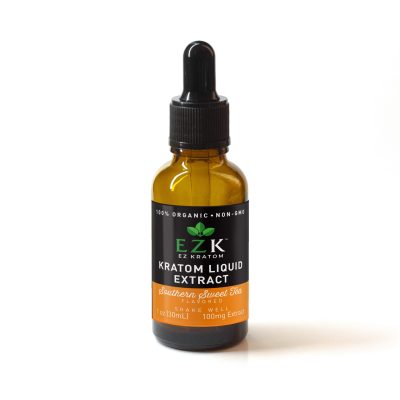
A: While possible, kratom extracts require careful adjustment due to concentrated potency. EZKratom’s liquid extract contains 100mg of mitragynine per 30ml bottle, making it much stronger than powder. If using extract, reduce the quantity significantly and mix thoroughly with oil before adding to the sauce. Most users find powder provides better control and more predictable results in cooking applications.
Q: How does cooking affect kratom’s potency compared to raw consumption?
A: Research shows kratom alkaloids remain stable during typical cooking processes. Brief exposure to stir-fry temperatures (under 5 minutes) preserves most active compounds. The main consideration is that 7-hydroxymitragynine is less stable than mitragynine, but it comprises less than 2% of total alkaloids. Adding kratom late in cooking minimizes any potential loss.
Q: What’s the best strain for savory stir-fry applications?
A: Green strains like Green Maeng Da work well for lunch and dinner preparations due to their balanced profile. Lower doses up to 5g produce stimulant effects, making white strains suitable for energizing lunch dishes. Red varieties pair better with evening meals when doses between 5-15g promote relaxation.
Q: How can I ensure even kratom distribution in my sauce?
A: Always mix kratom powder with dry ingredients like cornstarch before adding liquids. This prevents clumping and ensures even distribution. Whisk continuously when incorporating into liquids and maintain stirring throughout cooking. Some users pre-mix kratom with a small amount of oil to create a paste before adding it to the sauce base. Testing consistency and color throughout the sauce confirms proper mixing.
Q: Are there any ingredients I should avoid combining with kratom in sauces?
A: While acidic ingredients can help extract alkaloids, prolonged exposure to very low pH may affect stability over time. Limit strong acids like vinegar or citrus juice to small amounts added near the end of cooking. Avoid combining with alcohol-based ingredients. Keep recipes simple and avoid experimental combinations.
Q: What’s the maximum safe amount of kratom to use in a family-size stir-fry sauce?
A: For a sauce serving 4-6 people, using 6-12 grams total keeps individual portions within the typical usage of less than 6g per person. This allows 1-2 grams per serving, suitable for most users. Always calculate total servings and divide kratom accordingly. Label containers clearly with per-serving content and keep detailed notes about effects for future reference.


Stay Informed with articles sent directly to your inbox
Get notified as soon as we post EZK news articles. This will help you stay informed and up to date on what is happening in the kratom industry, provide you with valuable tips on buying kratom wholesale, and so much more. We hope to see you on the list!
The information and articles on these pages are solely the opinions of third-party authors and not that of EZ Kratom or its owners or employees. EZ Kratom and its owners and employees in no way, shape, or form claim to be medical, scientific, or legal professionals and cannot be held responsible for and will not be liable for any inaccuracy or application of any information provided in these articles.
About EZ Kratom
EZ Kratom‘s mission is to provide top-notch bulk kratom and wholesale kratom powder while beating the competitors’ prices. It is hard to find consistent, premium quality bulk kratom or wholesale kratom powder on a regular basis. Here at EZK, we let the kratom speak for itself. Time and time again, we open our packages up to the freshest, cleanest smelling kratom powder, and we cannot wait to share our kratom powder with the entire wholesale kratom and bulk kratom community!
Shop Kratom
10,000+
Customers Satisfied

99.76%
Successfully Delivered

9+
Years Supporting the Community and Small Family-Owned Farms Throughout Southeast Asia

More Kratom Articles

EZ Kratom’s Official Registration With t...

Best Red Malaysian Kratom Options For Sl...