

Kratom Laws and Regulations in West Virginia


- Key Takeaways
- Understanding West Virginia's Kratom Consumer Protection Act
- Criminal Penalties That Pack a Punch
- Product Safety Requirements and Testing Standards
- How to Legally Purchase Kratom in West Virginia
- The Registration Process for Businesses
- Federal vs State Regulatory Landscape
- Recent Research and Emerging Trends
- Practical Compliance Tips for Consumers
- Cost Implications of Regulation
- Conclusion
- Frequently Asked Questions
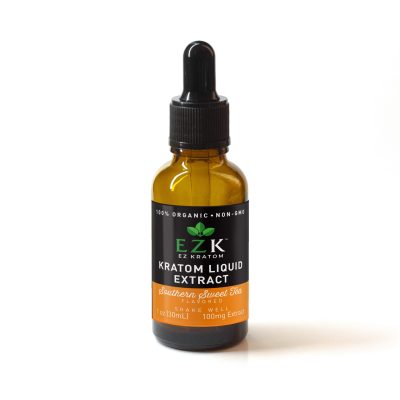
West Virginia has implemented one of the most comprehensive kratom regulatory frameworks in the United States through the Select Plant-Based Derivatives Regulation Act, creating a unique legal landscape that balances consumer access with strict safety requirements. Unlike states with outright bans, West Virginia allows adults 21 and over to legally purchase and possess kratom products from licensed vendors who meet rigorous testing and registration standards. For those seeking quality products that comply with state regulations, EZKratom offers lab-tested kratom powder backed by third-party verification and GMP-compliant manufacturing processes that align with West Virginia’s stringent requirements.




Key Takeaways
- Adults 21+ can legally purchase kratom from WVDA-registered vendors, with criminal penalties starting at $1,000 and up to 1 year in jail for violations
- All kratom products require annual state registration at $200 per product with the West Virginia Department of Agriculture
- Selling to minors is a felony punishable by up to $5,000 fine and 1-5 years imprisonment
- Business permits have an annual registration fee of $300 and a one-time application fee of $1,500, depending on operation type, with strict testing and labeling requirements
- Registration expires annually on December 31st, regardless of application date, requiring yearly renewal
- Second violations become felonies with significantly enhanced penalties, including imprisonment that ranges from 1 to 5 years
Understanding West Virginia’s Kratom Consumer Protection Act
The Regulatory Framework
West Virginia’s Select Plant-Based Derivatives Regulation Act establishes comprehensive oversight for kratom products, making it one of the most regulated states for this botanical substance. The law requires all manufacturers, processors, distributors, and sellers to obtain permits and follow strict quality control standards that protect consumers while maintaining legal access.
Key regulatory requirements include:
- Mandatory third-party testing for contaminants and alkaloid content
- Accurate labeling with alkaloid concentration disclosure
- Prohibition of adulterated or contaminated products
- Annual product registration with WVDA
- Criminal penalties for non-compliance
- Age verification systems for all sales
Who Needs Permits and Licenses
The West Virginia Department of Agriculture oversees a tiered licensing system with specific requirements:
Business permit categories:
- Retailers: $300 annual fee
- Distributors: $750 annual fee
- Processors: $1,000 annual fee
- Manufacturers: $1,500 annual fee
Additional requirements:
- Product registration: $200 per product annually
- Foreign entities: Additional $35 foreign check fee
- Registration deadline: December 31st each year
- Renewal is required regardless of the initial registration date
Age Restrictions and Verification
West Virginia enforces strict age limits that exceed many other states:
- Minimum age: 21 years for purchase and possession
- ID verification: Required for all sales
- Online sales: Age verification systems mandatory
- Penalties for minors: Criminal charges possible
- Business liability: Severe penalties for selling to underage individuals
Criminal Penalties That Pack a Punch
First Offense Consequences
Unlicensed kratom sales carry significant criminal penalties even for first-time offenders:
Misdemeanor charges include:
- Minimum $1,000 fine
- Up to 1 year in county jail
- Criminal record implications
- Business license revocation is possible
- Product confiscation and destruction
Felony-Level Violations
Second violations and certain first offenses escalate to felony charges:
Enhanced penalties for:
- Repeat offenses: Up to $5,000 fine and 1-5 years state prison
- Selling to minors: Automatic felony with mandatory prison consideration
- Adulterated products: Felony charges if harm results
- Operating without permits: Escalating penalties for continued violations
Business Impact of Violations
Beyond criminal penalties, businesses face additional consequences:
- Permanent permit revocation
- Civil liability for consumer harm
- Federal tax implications
- Insurance coverage loss
- Reputation damage and public disclosure
Product Safety Requirements and Testing Standards
Mandatory Testing Protocols
The WVDA requires comprehensive testing for all registered kratom products:
Required tests include:
- Heavy metals screening (lead, mercury, cadmium, arsenic)
- Microbiological contamination (E. coli, Salmonella, mold)
- Alkaloid content verification
- Pesticide residue analysis
- Foreign material detection
For businesses looking to ensure compliance, working with established suppliers like EZKratom, which provide full panel lab testing, can simplify the registration process while guaranteeing product safety.
Labeling Compliance Standards
Proper labeling protects both businesses and consumers:
Required label elements:
- Label must be WVDA-approved and include required warnings; alkaloid amounts must be accurate if claimed
- Alkaloid content (mitragynine and 7-hydroxymitragynine)
- Batch/lot number for traceability
- Warning statements about age restrictions
- Net weight or volume
- Manufacturer/distributor information
- Expiration or best-by date
How to Legally Purchase Kratom in West Virginia
Verifying Vendor Compliance
Before purchasing kratom, consumers should verify vendor credentials:
Essential verification steps:
- Check WVDA registration status
- Request product registration numbers
- Verify current business permits
- Review lab testing certificates
- Confirm age verification processes
- Look for proper labeling compliance
Understanding Your Rights as a Consumer
Legal purchasers have specific protections under state law:
Consumer protections include:
- Right to accurate product information
- Access to lab testing results
- Protection from adulterated products
- Recourse for mislabeled items
- Anonymous reporting of violations
- Civil remedy options for harm
Red Flags to Avoid
Certain warning signs indicate illegal or unsafe vendors:
Avoid vendors who:
- Lack WVDA registration numbers
- Make medical or health claims
- Sell to anyone under 21
- Don’t provide lab testing documentation
- Offer unusually low prices
- Operate from temporary locations
- Refuse to show permits when asked
Drug Interactions and Contraindications
Kratom alkaloids interact with multiple medication pathways:
High-risk combinations:
- CYP3A4 substrates (many medications)
- CYP2D6 inhibitors (antidepressants)
- CYP2C9 medications (warfarin)
- Central nervous system depressants
- Blood pressure medications
- Liver-metabolized drugs
Special Population Warnings
Certain groups face elevated risks:
- Pregnant women: Risk of neonatal abstinence syndrome
- Elderly users: Higher cardiovascular complication rates
- Liver disease patients: Impaired metabolism concerns
- Substance use history: Cross-addiction risks
The Registration Process for Businesses
Application Requirements
Businesses must navigate complex registration procedures:
Documentation needed:
- Business license and tax ID
- Product formulation details
- Lab testing certificates
- Standard operating procedures
- Quality control protocols
- Insurance documentation
Timeline and Costs
Understanding the financial and time commitments helps businesses plan:
Cost breakdown:
- Initial permit fees: $300-$1,500
- Product registration: $200 each
- Lab testing: $500-$1,500 per batch
- Legal compliance review: $1,000-$5,000
- Annual renewal: Same as initial fees
- Late renewal penalties: Additional fees apply
Processing timeline:
- Application review: 30-60 days
- Inspection scheduling: 2-4 weeks
- Approval notification: 7-10 business days
- Annual renewal deadline: December 31st
Maintaining Compliance
Ongoing requirements ensure continued legal operation:
Compliance checklist:
- Monthly inventory reporting
- Batch testing documentation
- Customer age verification records
- Adverse event reporting
- Label updates as required
- Annual registration renewal
- Inspection preparedness
Federal vs State Regulatory Landscape
FDA’s Current Position
The FDA maintains concerns about kratom safety:
Federal stance includes:
- No approved medical uses
- Import alerts and seizures
- Warning letters to vendors
- Adverse event monitoring
- Heavy metal contamination findings
- Ongoing research initiatives
How West Virginia Differs from Other States
West Virginia’s approach stands out among regulated states:
Unique aspects:
- Higher minimum age (21 vs 18 in some states)
- Stricter penalty structure
- Comprehensive registration system
- Annual renewal requirements
- Product-specific registration
- Enhanced testing standards
Interstate Commerce Complications
Crossing state lines creates legal complexities:
Important considerations:
- No interstate transport to banned states
- Varying age requirements between states
- Different testing standards
- Registration reciprocity lacking
- Federal trafficking concerns
- Online sales restrictions
Recent Research and Emerging Trends
Evolving Scientific Understanding
Recent systematic reviews provide updated safety insights:
Key findings:
- Insufficient evidence that kratom alone causes severe effects
- Polydrug use complicates risk assessment
- Mitragynine blood levels vary from 3.5 to 7,500 ng/mL in fatalities
- Individual metabolism differences are significant
Market Response to Regulation
The regulated market shows distinct patterns:
Industry adaptations:
- Premium pricing for compliant products
- Consolidation of smaller vendors
- Investment in testing infrastructure
- Focus on quality over quantity
- Enhanced consumer education
- Professional trade associations are forming
Companies like EZKratom that prioritize GMP-compliant manufacturing and comprehensive testing position themselves well in this evolving regulatory environment.
Future Regulatory Possibilities
Potential changes could impact the market:
Possible developments:
- Federal scheduling decisions
- Interstate commerce agreements
- Standardized testing protocols
- Medical research expansion
- Insurance coverage considerations
- Professional licensing requirements
Practical Compliance Tips for Consumers
Documentation to Keep
Maintaining records protects legal users:
Recommended documentation:
- Purchase receipts with vendor registration
- Product lab certificates
- Age verification records
- Medical consultation notes, if applicable
- Adverse event reports, if any
- Product registration numbers
Safe Storage Requirements
Proper storage ensures legal compliance and safety:
Storage guidelines:
- Locked containers away from minors
- Original packaging with labels intact
- Temperature-controlled environment
- Moisture prevention measures
- Inventory tracking for personal use
- Disposal of expired products
Reporting Violations
Consumers play a role in market safety:
How to report:
- WVDA complaint hotline
- Online reporting forms
- Local law enforcement for criminal activity
- FDA MedWatch for adverse events
- Attorney General’s consumer protection
- Anonymous tip options available
Cost Implications of Regulation
Price Impact on Consumers
Regulation affects product pricing:
Cost factors:
- Testing expenses passed to consumers
- Registration fees increase overhead
- Compliance costs raise prices 20-40%
- Limited vendor competition
- Premium for verified products
- Bulk purchasing advantages have been reduced
Value Considerations
Higher prices may offer benefits:
Quality improvements:
- Guaranteed contamination screening
- Consistent alkaloid content
- Traceable supply chains
- Professional manufacturing standards
- Reduced health risks
- Legal protection for consumers
Budget-Friendly Compliance Options
Strategies for cost-conscious consumers:
Money-saving tips:
- Buy from established vendors with economies of scale
- Consider sample packs to find preferred products
- Purchase during sales periods
- Join vendor loyalty programs
- Buy in legal quantities for personal use
- Compare registered vendor prices
Conclusion
West Virginia’s comprehensive kratom regulations create a complex but navigable legal framework that prioritizes consumer safety while maintaining adult access to these products. The state’s approach, requiring permits, registration, and testing, addresses documented concerns about contamination and quality control while establishing clear criminal penalties for violations.
Understanding these regulations helps consumers make informed decisions about purchasing from registered vendors and avoiding illegal sources. The stringent requirements, including the 21-year age minimum and felony penalties for violations, underscore the state’s serious approach to kratom regulation.
As the regulatory landscape continues evolving, staying informed about current requirements and choosing vendors committed to compliance ensures both legal protection and product safety. West Virginia’s model may influence future state and federal approaches to kratom regulation, making compliance today an investment in continued access tomorrow.
Frequently Asked Questions
Q: Can I grow my own kratom plants in West Virginia for personal use?
A: While West Virginia law primarily regulates commercial kratom activities, personal cultivation exists in a legal gray area. The Select Plant-Based Derivatives Regulation Act focuses on commercial manufacture, processing, distribution, and sale rather than personal cultivation. However, any processing or preparation of kratom for consumption likely falls under the law’s requirements. Additionally, providing homegrown kratom to anyone else, even without payment, could constitute illegal distribution. The practical challenges of growing tropical kratom trees in West Virginia’s climate make this largely theoretical, but individuals should consult legal counsel before attempting cultivation.
Q: What happens if I’m caught with kratom purchased from an unregistered vendor?
A: Possession of kratom by adults 21 and over isn’t explicitly criminalized in West Virginia, but purchasing from unregistered vendors creates legal risks. While the criminal penalties primarily target sellers, buyers could face complications if the product is contaminated or mislabeled. Law enforcement may confiscate products from illegal sources, and consumers have no legal recourse if harmed by unregistered products. Additionally, knowingly participating in illegal transactions could potentially lead to conspiracy charges. The safest approach involves purchasing only from WVDA-registered vendors who display proper registration numbers.
Q: How do West Virginia’s kratom laws affect online purchases from out-of-state vendors?
A: Online kratom purchases require careful consideration of West Virginia’s registration requirements. Sellers outside WV shipping into the state must hold a WV business registration certificate and comply with WVDA permitting/registration, including the additional $35 foreign check fee for non-West Virginia entities. Many national vendors choose not to ship to West Virginia due to these requirements. Consumers should verify that online vendors are WVDA-registered before ordering, as receiving unregistered products could create legal complications. The buyer bears responsibility for ensuring compliance, and age verification systems must be in place for all online sales.
Q: What should I do if I experience adverse effects from a registered kratom product in West Virginia?
A: If you experience adverse effects from registered kratom products, take several important steps. First, seek immediate medical attention if symptoms are severe. Save the product packaging with registration and lot numbers for identification. Report the incident to the FDA MedWatch system for federal tracking. File a complaint with the West Virginia Department of Agriculture about the registered product. Document all medical treatments and expenses for potential civil action. Contact the vendor to report the issue and preserve your legal remedies. Consider consulting an attorney if significant harm occurred, as West Virginia’s registration system provides accountability pathways not available in unregulated markets.
Q: How can I verify if a local smoke shop or retailer is legally selling kratom?
A: Verifying legal kratom sales requires checking multiple compliance factors. Request to see the vendor’s WVDA business permit, which should be current and displayed. Ask for product registration numbers for specific kratom items – each product requires a separate $200 annual registration. Examine product labels for required elements, including alkaloid content, warnings, and registration numbers. Legitimate vendors will readily provide lab testing certificates and registration documentation. Be suspicious of vendors who refuse to show permits, sell to anyone under 21, or offer products with missing or incomplete labeling. You can verify registration status by contacting the WVDA directly.
Q: Will having a kratom-related conviction in West Virginia affect my federal benefits or professional licenses?
A: Kratom-related convictions in West Virginia can have far-reaching consequences beyond state penalties. Felony convictions for selling to minors or repeat violations may affect federal benefits eligibility, including student financial aid, housing assistance, and SNAP benefits. Professional licensing boards often require disclosure of criminal convictions, potentially impacting healthcare, education, legal, and other professional licenses. Employment background checks will reveal these convictions, potentially limiting job opportunities. While kratom remains federally unscheduled, state drug-related convictions can trigger federal collateral consequences. Even misdemeanor convictions may affect professional standing and require disclosure on various applications.



Stay Informed with articles sent directly to your inbox
Get notified as soon as we post EZK news articles. This will help you stay informed and up to date on what is happening in the kratom industry, provide you with valuable tips on buying kratom wholesale, and so much more. We hope to see you on the list!
The information and articles on these pages are solely the opinions of third-party authors and not that of EZ Kratom or its owners or employees. EZ Kratom and its owners and employees in no way, shape, or form claim to be medical, scientific, or legal professionals and cannot be held responsible for and will not be liable for any inaccuracy or application of any information provided in these articles.
About EZ Kratom
EZ Kratom‘s mission is to provide top-notch bulk kratom and wholesale kratom powder while beating the competitors’ prices. It is hard to find consistent, premium quality bulk kratom or wholesale kratom powder on a regular basis. Here at EZK, we let the kratom speak for itself. Time and time again, we open our packages up to the freshest, cleanest smelling kratom powder, and we cannot wait to share our kratom powder with the entire wholesale kratom and bulk kratom community!
Shop Kratom
10,000+
Customers Satisfied

99.76%
Successfully Delivered

9+
Years Supporting the Community and Small Family-Owned Farms Throughout Southeast Asia

More Kratom Articles

Is Kratom Legal in South Carolina?

Is Kratom Legal in Alabama? Here's What ...
