

Kratom Laws and Regulations in Rhode Island


- Key Takeaways
- Current Legal Status of Kratom in Rhode Island
- Rhode Island's Regulatory Framework Details
- Comparing Regional Kratom Regulations
- Quality Standards That Protect Consumers
- Understanding Addiction and Dependency Risks
- The American Kratom Association's Reform Campaign
- Market Impact and Economic Considerations
- Safety Considerations and Risk Mitigation
- Future Outlook for Kratom Regulation
- Making Informed Decisions About Kratom
- Conclusion
- Frequently Asked Questions
Rhode Island made history on July 2, 2025, becoming the first state to successfully overturn a statewide kratom ban, replacing prohibition with comprehensive regulation through the Rhode Island Kratom Act. This landmark legislation transforms Rhode Island from having some of the strictest kratom laws to establishing a regulated marketplace that prioritizes consumer safety while ensuring access for adults 21 and older. For those seeking lab-tested kratom products that meet the highest quality standards, understanding these new regulations provides essential guidance for making informed decisions about kratom use in the Ocean State.




Key Takeaways
- Historic policy reversal – Rhode Island became the first U.S. state to overturn a kratom ban, replacing a 2017 prohibition with regulation
- Strictest alkaloid limits nationwide – New law sets 7-hydroxymitragynine limits at 0.5 mg per gram, the most restrictive in the U.S.
- Comprehensive licensing system – Manufacturers pay $2,000 initial fees, retailers $1,000, ensuring accountability
- Consumer protection focus – Mandatory testing, labeling, and quality standards protect public health
- 15% excise tax on wholesale kratom sales generates state revenue while maintaining access
- Model for reform – Rhode Island’s approach may inspire similar changes in other prohibition states
Current Legal Status of Kratom in Rhode Island
The Rhode Island Kratom Act fundamentally transforms the state’s approach to kratom regulation, moving from criminalization to controlled access. The legislation passed with 40-24 House support and 22-9 Senate approval, reflecting significant legislative backing for reform.
From Ban to Regulation: The 2025 Transformation
Rhode Island’s Department of Health originally banned kratom in 2017 by classifying mitragynine and 7-hydroxymitragynine as Schedule I controlled substances without public hearings or legislative debate. This unilateral decision criminalized thousands of Rhode Islanders overnight, making possession a felony offense.
The new regulatory framework establishes:
- Legal possession for adults 21 and older
- Licensed retail sales through approved vendors
- Manufacturing standards ensuring product safety
- Mandatory testing for contaminants and adulterants
- Clear labeling requirements with serving sizes and warnings
Penalties and Enforcement Mechanisms
The Rhode Island Kratom Act maintains strict penalties for violations:
Criminal penalties:
- Selling to minors: The Act primarily imposes administrative fines and license actions, plus contraband-based monetary penalties.
- Operating without a license: Civil fines up to $10,000
- Adulterating products: Criminal prosecution possible
- False labeling: License revocation and fines
Civil enforcement:
- Department of Health oversees compliance
- Conduct enforcement and testing of licensed facilities
- Product testing verification required
- Consumer complaint investigation protocols
Rhode Island’s Regulatory Framework Details
Licensing Requirements and Business Operations
The comprehensive licensing system ensures accountability throughout the supply chain:
Manufacturer requirements:
- Initial license fee: $2,000
- Annual renewal: $1,000
- GMP compliance mandatory
- Full-panel testing protocols
- Record keeping for 3 years minimum
Retailer obligations:
- Initial license fee: $1,000
- Annual renewal: $500
- Age verification systems are required
- Staff training on regulations
- Purchase only from licensed distributors
Product Standards and Testing Protocols
Rhode Island establishes the nation’s strictest alkaloid limits while ensuring product safety through mandatory testing requirements that align with quality kratom products meeting AKA standards.
Alkaloid thresholds:
- 7-hydroxymitragynine: Maximum 0.5 mg per gram
- Mitragynine: Mitragynine is capped at 150 mg per serving
- Total alkaloid content: Must be naturally occurring levels
- Synthetic alkaloids: Strictly prohibited
Required testing parameters:
- Heavy metals (lead, mercury, cadmium, arsenic)
- Microbial contaminants (E. coli, Salmonella, yeast, mold)
- Pesticide residues
- Adulterants and synthetic compounds
- Alkaloid profile verification
Labeling and Marketing Restrictions
Clear labeling ensures informed consumer choices:
Mandatory label elements:
- Manufacturer name and contact information
- Complete ingredient list
- Net weight/volume
- Serving size recommendations
- Batch/lot number for traceability
- “Keep out of reach of children” warning
- “Not for use by pregnant or nursing women”
- Age restriction notice (21+)
Prohibited marketing practices:
- Health claims without FDA approval
- Candy-like packaging appealing to minors
- Misleading potency statements
- Unsubstantiated benefit claims
Comparing Regional Kratom Regulations
Rhode Island vs Neighboring States
Rhode Island was the only New England state with a kratom ban before the 2025 reform, creating significant regional disparities.
Massachusetts approach:
- Legal for adults 18+
- Some local bans (6 municipalities)
- No statewide regulation framework
- Consumer protection gaps exist
Connecticut status:
- Fully legal, unregulated
- No age restrictions statewide
- Legislative attempts at regulation were unsuccessful
- Quality standards voluntary
The contrasts highlight how green vein kratom and other varieties face different regulatory environments across state lines.
Learning from Other States’ Frameworks
Florida’s County-Level Complexity
Florida demonstrates the challenges of patchwork regulation:
- Statewide legal status maintained
- Sarasota County banned kratom locally
- Age restrictions vary by jurisdiction
- No unified quality standards
- Consumer confusion common
Texas: Legal but Unregulated
Texas represents the opposite extreme from Rhode Island’s approach:
- No statewide restrictions
- Multiple failed regulation attempts
- Industry self-regulation prevalent
- Consumer protection concerns persist
- Market estimated at tens of millions annually
Quality Standards That Protect Consumers
GMP Compliance and Manufacturing Excellence
Good Manufacturing Practices ensure consistent quality across batches, similar to standards followed by lab-tested kratom powders:
Core GMP requirements:
- Documented standard operating procedures
- Batch production records
- Equipment calibration and maintenance
- Personnel training documentation
- Contamination prevention protocols
- Product recall procedures
Third-Party Testing Verification
Independent laboratory analysis provides objective quality assurance:
Testing frequency:
- Every batch before distribution
- Random retail sampling by regulators
- Consumer-initiated testing rights
- Annual facility inspections
Laboratory standards:
- ISO/IEC 17025 accreditation required
- Chain of custody documentation
- Validated testing methodologies
- Transparent reporting requirements
The FDA’s finding that 50% of samples contained Salmonella underscores the importance of rigorous testing protocols.
Understanding Addiction and Dependency Risks
Development timeline:
- Tolerance: Can develop within weeks
- Physical dependence: 3-6 months of regular use
- Withdrawal onset: 12-48 hours after cessation
- Symptom duration: 3-10 days typically
Common withdrawal symptoms:
- Muscle aches and joint pain
- Mood changes and irritability
- Fatigue and lethargy
Rhode Island Treatment Resources
The state provides multiple support options for those seeking help:
Available services:
- BHDDH treatment facilities
- Outpatient counseling programs
- Support group networks
- Medication-assisted treatment options
- Harm reduction services
Prevention strategies:
- Rotation schedules to prevent tolerance
- Regular tolerance breaks
- Dosage monitoring and limits
- Professional consultation when needed
The American Kratom Association’s Reform Campaign
Advocacy Strategies and Legislative Success
The AKA’s systematic approach to reform proved effective in Rhode Island:
Key advocacy elements:
- Consumer testimonials to legislators
- Scientific evidence presentations
- Economic impact studies show $1.3 billion industry
- Safety data compilation
- Model legislation development
The KCPA Model Framework
The Kratom Consumer Protection Act provides standardized regulations that thirteen states have now adopted:
Core KCPA provisions:
- Age restrictions (18 or 21)
- Labeling requirements
- Testing mandates
- Adulterant prohibitions
- Penalty structures
Mac Haddow of the AKA notes that “KCPA legislation fills the gap” in FDA oversight, ensuring consumer protection through state-level regulation.
Market Impact and Economic Considerations
Revenue Generation Through Taxation
Rhode Island’s 15% excise tax on wholesale transactions creates new state revenue:
Projected fiscal impact:
- Estimated annual tax revenue: $2-5 million
- Licensing fees: $500,000+ annually
- Enforcement costs: Offset by fees
- Economic activity: Millions in retail sales
Industry Growth Projections
The kratom market shows substantial expansion potential:
- 11-15 million Americans currently use kratom
- North Dakota alone has 300+ retail outlets
- National market valued at $1.3 billion (2019)
- Projected continued growth with regulation
Safety Considerations and Risk Mitigation
Adverse Effects Profile
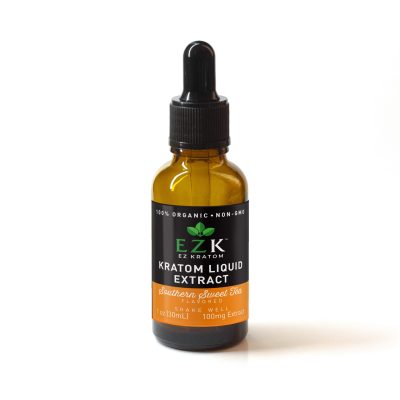
Understanding potential side effects helps consumers make informed decisions about products like kratom liquid extracts:
Common mild effects:
- Indigestion and nausea (most frequent)
- Dizziness (dose-dependent)
- Constipation (with regular use)
- Dry mouth
Contraindications and Drug Interactions
Certain populations should avoid kratom entirely:
High-risk groups:
- Pregnant and nursing women
- Individuals with liver disease
- Those taking psychiatric medications
- People with seizure disorders
Documented interactions:
- The modafinil combination increases adverse events
- CNS depressants amplify sedation
- CYP450 substrate medications affected
- MAO inhibitors create dangerous interactions
Support Networks and Treatment
Rhode Island offers comprehensive support services:
State resources:
- BHDDH 24/7 helpline
- Anchor Recovery Centers
- CODAC Behavioral Healthcare
- Providence Center services
- Peer recovery programs
Community support:
- SMART Recovery meetings
- Chronic pain support groups
- Online forums and communities
- Family support services
Future Outlook for Kratom Regulation
Potential Federal Action
Several factors may influence national policy:
Congressional considerations:
- Federal Kratom Consumer Protection Act proposals
- DEA scheduling reconsideration
- FDA regulatory framework development
- Interstate commerce standardization
Scientific developments:
- NIDA research initiatives are ongoing
- Clinical trials for therapeutic applications
- Safety profile studies expanding
- Alkaloid-specific research advancing
Making Informed Decisions About Kratom
Understanding Rhode Island’s new regulatory landscape empowers consumers to make educated choices about kratom use. The comprehensive framework balances access with safety, establishing standards that protect public health while recognizing individual autonomy.
For those considering kratom use in Rhode Island:
- Verify vendor licensing through state databases
- Check product labels for compliance markers
- Start with low servings to assess individual response
- Maintain usage logs to monitor patterns
- Consult healthcare providers about interactions
- Report adverse events to the authorities
Quality vendors offering white vein kratom and other varieties should prominently display licensing information and test results, making verification straightforward for consumers.
Conclusion
Rhode Island’s transformation from prohibition to regulation represents a watershed moment in American kratom policy. The state’s comprehensive approach—combining strict safety standards with legal access—provides a potential model for nationwide reform. With the strictest alkaloid limits in the nation, mandatory testing requirements, and robust licensing systems, Rhode Island prioritizes consumer protection while acknowledging kratom’s role for many seeking alternatives.
The success of this regulatory framework will largely depend on implementation effectiveness, industry compliance, and ongoing monitoring of public health outcomes. As Representative Brian Patrick Kennedy notes, much of the regulatory language comes “directly from the Department of Health”, ensuring medical and scientific input shapes policy.
As more states consider similar reforms and federal agencies continue evaluating kratom’s status, Rhode Island’s experience will provide valuable data on balancing access, safety, and public health in botanical regulation.
Frequently Asked Questions
Q: Can I legally grow kratom plants in Rhode Island for personal use?
A: The Rhode Island Kratom Act focuses primarily on commercial manufacture and retail sales rather than personal cultivation. While the law doesn’t explicitly prohibit growing Mitragyna speciosa plants for personal use, any processing, preparation, or distribution of kratom products requires proper licensing. The $2,000 manufacturer license fee applies to anyone producing kratom products for distribution, even in small quantities. Home cultivation remains a legal gray area—the plants themselves aren’t scheduled substances, but converting them into consumable products without licenses could violate regulations. Consult legal counsel before attempting home cultivation.
Q: How does Rhode Island verify the age of online kratom purchasers?
A: Rhode Island’s new regulations require robust age verification for all kratom sales, including online transactions. Retailers must implement third-party age verification services that cross-reference customer information with government databases. Online vendors shipping to Rhode Island must verify age at purchase. The law mandates that retailers maintain records of age verification for three years. Penalties for selling to anyone under 21 include license revocation, administrative fines, contraband-based monetary penalties, and criminal charges. Some vendors may require uploading government-issued ID photos or use services like AgeChecker.Net for compliance.
Q: What happens to people previously convicted of kratom possession in Rhode Island?
A: The Rhode Island Kratom Act removes mitragynine and 7-hydroxymitragynine from Schedule I classification, but doesn’t automatically expunge previous convictions. Individuals convicted under the 2017-2025 ban period must petition courts for record expungement or sentence modification. The law doesn’t include automatic relief provisions, unlike some cannabis legalization measures. Legal advocacy groups recommend that those with kratom-related convictions consult attorneys about post-conviction relief options. The legislative intent suggests courts may view such petitions favorably, given the substance’s legal status change.
Q: Are there restrictions on kratom advertising in Rhode Island?
A: Yes, Rhode Island imposes strict marketing limitations on kratom products. Advertisements cannot make unsubstantiated health claims and target minors. Packaging cannot resemble candy or use cartoon characters. Health benefit claims require FDA approval, which kratom lacks. Social media marketing must comply with platform policies and state regulations. Violations can result in fines up to $10,000 and license suspension. The Department of Health monitors advertising compliance through complaint investigations and random audits.
Q: How do Rhode Island’s alkaloid limits compare to kratom’s natural variation?
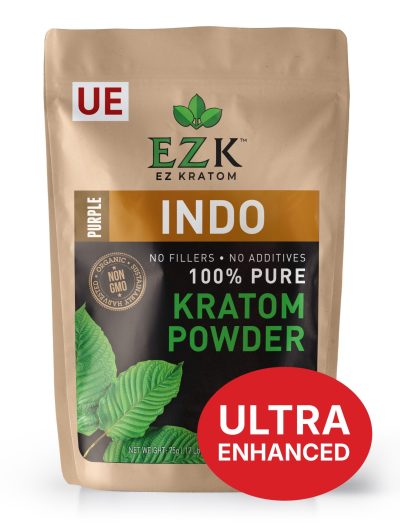
A: Rhode Island’s 0.5 mg per gram limit on 7-hydroxymitragynine is notably strict, as natural leaf typically contains 0.01-0.04% of this alkaloid. However, some enhanced products and extracts can exceed these limits. Natural variation in alkaloid content depends on factors like harvest timing, drying methods, and plant genetics. The limit effectively prohibits many concentrated products while allowing traditional powder. Manufacturers must test each batch to ensure compliance, as alkaloid levels can vary even within the same strain. This creates challenges for vendors offering ultra-enhanced or extract products, which may need reformulation for Rhode Island sales.
Q: What resources exist for Rhode Island businesses wanting to enter the kratom market?
A: Prospective kratom businesses in Rhode Island should start with the Department of Health’s licensing division for application materials and compliance guidelines. The American Kratom Association offers KCPA compliance resources and vendor certification programs. Industry trade groups provide GMP training and regulatory updates. Legal counsel specializing in controlled substances can navigate licensing requirements. Laboratory partnerships for required testing include ISO-certified facilities. Business insurance specific to kratom retail requires specialized brokers. The Rhode Island Small Business Development Center offers general business planning assistance, though kratom-specific expertise may be limited.


Stay Informed with articles sent directly to your inbox
Get notified as soon as we post EZK news articles. This will help you stay informed and up to date on what is happening in the kratom industry, provide you with valuable tips on buying kratom wholesale, and so much more. We hope to see you on the list!
The information and articles on these pages are solely the opinions of third-party authors and not that of EZ Kratom or its owners or employees. EZ Kratom and its owners and employees in no way, shape, or form claim to be medical, scientific, or legal professionals and cannot be held responsible for and will not be liable for any inaccuracy or application of any information provided in these articles.
About EZ Kratom
EZ Kratom‘s mission is to provide top-notch bulk kratom and wholesale kratom powder while beating the competitors’ prices. It is hard to find consistent, premium quality bulk kratom or wholesale kratom powder on a regular basis. Here at EZK, we let the kratom speak for itself. Time and time again, we open our packages up to the freshest, cleanest smelling kratom powder, and we cannot wait to share our kratom powder with the entire wholesale kratom and bulk kratom community!
Shop Kratom
10,000+
Customers Satisfied

99.76%
Successfully Delivered

9+
Years Supporting the Community and Small Family-Owned Farms Throughout Southeast Asia

More Kratom Articles

Is Kratom Legal in South Carolina?

Is Kratom Legal in Alabama? Here's What ...
