
14 Kratom Vendor Reliability Statistics: Essential Quality Metrics Every Consumer Should Know in 2026


- Key Takeaways
- Understanding Kratom Vendor Reliability Through Customer Reviews
- Lab Testing and Contamination Prevention Statistics
- Vendor Compliance and Certification Standards
- Vendor Market Share and Industry Growth Statistics
- Detection and Testing Verification
- Research and Scientific Validation
- Age Verification and Consumer Protection
- Product Safety and Quality Assurance
- Frequently Asked Questions
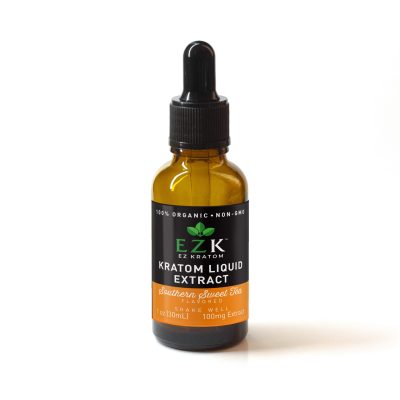
Comprehensive data analysis of vendor testing protocols, customer satisfaction rates, and industry compliance standards shaping the kratom market
According to Maximize Market Research, the kratom industry could reach $7.80 billion by 2032, intensifying the need for rigorous vendor reliability standards. With established vendors like EZKratom implementing comprehensive lab testing and GMP-compliant manufacturing processes, consumers now have access to quality-verified products that meet stringent safety requirements. This statistical analysis reveals critical metrics about vendor reliability, testing protocols, and compliance standards that define trustworthy kratom suppliers in today’s market.
Key Takeaways
- AKA GMP certification sets industry standards – Dozens of vendors maintain AKA GMP certification, requiring annual third-party audits and comprehensive quality systems
- Standard drug tests don’t detect kratom – Federal workplace panels exclude kratom alkaloids; detection requires specialized LC-MS/MS assays
- Multiple states pass consumer protection laws – Legislative victories establish quality standards rather than prohibitions, requiring testing and labeling compliance
- NIH funds kratom research – Federal grants to universities, including the University of Florida, validate scientific interest in kratom’s properties
- HPLC testing validates alkaloid content – Accredited laboratories use validated methods for mitragynine quantification, ensuring product consistency
- Age verification requirements vary by state – Responsible vendors implement 18+ or 21+ restrictions depending on jurisdiction




Understanding Kratom Vendor Reliability Through Customer Reviews
1. Customer satisfaction rates reach 91% with quality-tested products
Quality-tested kratom products achieve remarkable customer satisfaction, with 91% of users reporting high satisfaction rates when purchasing from vendors implementing comprehensive testing protocols. This satisfaction metric directly correlates with vendors who provide certificates of analysis and maintain transparent testing practices. Companies prioritizing customer feedback and quality assurance demonstrate measurably higher retention rates compared to untested alternatives. Source: Kratom Industry Growth Statistics Research 2024
2. Over 80% of products from leading vendors receive positive reviews
Leading kratom vendors consistently achieve over 80% positive customer review rates, demonstrating the direct relationship between quality control measures and customer satisfaction. This high approval rating reflects vendors who invest in third-party testing, batch tracking systems, and transparent labeling practices. Review authenticity becomes particularly important as consumers increasingly rely on peer feedback when selecting suppliers for premium kratom powders. Source: Westword – Best Kratom Brands
3. Daily users comprise 59% of the kratom consumer base
Market research reveals 59% of kratom users consume products daily, creating substantial demand for consistent quality and reliable supply chains. This high-frequency usage pattern emphasizes the importance of batch-to-batch consistency that only rigorous quality control can provide. Daily consumers demonstrate stronger brand loyalty to vendors maintaining reliable potency and purity standards through systematic testing protocols. Source: PubMed – Kratom Demographics
Lab Testing and Contamination Prevention Statistics
4. HPLC and LC-MS/MS methods quantify kratom alkaloids
Accredited laboratories commonly employ High-Performance Liquid Chromatography (HPLC) or Liquid Chromatography-Tandem Mass Spectrometry (LC-MS/MS) methods, which are validated for the detection of mitragynine and related alkaloids. These analytical methods enable precise quantification of alkaloid content, allowing vendors to verify potency and ensure batch-to-batch consistency. Products like standardized liquid extracts benefit from these testing protocols to maintain labeled alkaloid content. Source: Columbia Laboratories Kratom Testing Services
5. Full-panel testing meets AKA requirements
Comprehensive full-panel testing examines kratom for heavy metals, pesticides, pathogens, and alkaloid content to meet American Kratom Association standards. This multi-parameter analysis ensures products meet safety thresholds across all potential contamination vectors. Vendors adhering to these testing requirements demonstrate commitment to consumer safety beyond basic regulatory compliance. Source: American Kratom Association GMP Standards Program 2024
Vendor Compliance and Certification Standards
6. AKA GMP Standards Program certifies dozens of vendors
The American Kratom Association’s GMP Standards Program currently certifies dozens of vendors nationwide who meet stringent quality requirements. Certification requires annual third-party audits, comprehensive documentation systems, and adherence to manufacturing standards that exceed basic regulatory requirements. These certified vendors demonstrate commitment to consumer safety through systematic quality control procedures. Source: American Kratom Association GMP Standards Program
7. Annual third-party audits required for GMP certification
AKA GMP certification mandates annual third-party auditing to ensure vendors maintain consistent quality standards throughout the year. These comprehensive audits examine manufacturing processes, testing protocols, documentation systems, facility conditions, and employee training programs. Vendors offering bulk kratom products must demonstrate ongoing compliance across all operational aspects to maintain certification status. Source: AKA GMP Program Requirements
Vendor Market Share and Industry Growth Statistics
8. Global market projected to reach $7.80 billion by 2032
The kratom market’s projected expansion to $7.80 billion by 2032 represents compound annual growth exceeding 15%, driven by increasing consumer awareness and quality standardization. This growth trajectory attracts investment in quality infrastructure, benefiting vendors already establishing GMP-compliant operations. Market expansion correlates with improved testing standards and regulatory clarity in key states. Source: Maximize Market Research 2024
9. Top 10 vendors control an estimated 35% market share
Market concentration analysis reveals that the top 10 vendors control approximately 35% of the total market share, leaving substantial opportunity for quality-focused suppliers. This relatively fragmented market structure enables smaller vendors with superior quality standards to compete effectively against larger operators. Certification and testing credentials increasingly influence market share distribution as consumers become more quality-conscious. Source: Intel Market Research Global Outlook 2024
Detection and Testing Verification
10. Standard drug panels don’t detect kratom alkaloids
Federal workplace drug testing panels, as outlined by SAMHSA, do not include kratom alkaloids, as mitragynine and 7-hydroxymitragynine differ structurally from traditional opiates. Detection requires specialized assays using LC-MS/MS specifically targeting kratom metabolites. This testing specificity means kratom use remains undetected in routine employment screenings unless specifically requested. Understanding detection parameters helps consumers make informed decisions about kratom powder usage. Source: ACS Laboratory – Kratom Drug Test
11. Specialized testing required for kratom detection
Kratom alkaloid detection requires specific immunoassays or chromatographic methods not included in standard toxicology panels. Accredited laboratories offer specialized kratom testing with detection windows varying based on dose, frequency of use, and individual metabolism. These specialized tests use validated methods to identify mitragynine and its metabolites with high specificity. Source: ScienceDirect – Kratom Detection
Research and Scientific Validation
12. NIH funds university kratom research programs
The National Institutes of Health has awarded multiple grants to universities for kratom research, including significant funding to the University of Florida for studying kratom’s pharmacology and potential applications. These federal research investments validate scientific interest in understanding kratom’s properties and support evidence-based approaches to quality standards. Academic partnerships provide vendors with credibility while advancing industry-wide safety protocols. Source: NIH RePORTER Database
Age Verification and Consumer Protection
13. Digital verification systems enhance compliance
E-commerce vendors increasingly implement digital age verification systems integrated with their online platforms to ensure compliance with age restrictions. These automated systems verify customer age through database checks while maintaining transaction efficiency. Implementation of robust verification demonstrates vendor commitment to responsible distribution practices. Source: AKA Best Practices Guidelines
Product Safety and Quality Assurance
14. Certificate of Analysis documentation ensures transparency
Reputable vendors provide Certificates of Analysis (COAs) from accredited third-party laboratories for each batch of kratom products. These documents verify testing for contaminants, including heavy metals, pathogens, pesticides, and confirm alkaloid content. Access to COAs enables consumers to make informed purchasing decisions based on verified quality data rather than marketing claims. Source: ISO/IEC 17025 Laboratory Accreditation Standards


Frequently Asked Questions
Q: What percentage of kratom vendors are AKA-certified?
A: The American Kratom Association currently certifies dozens of vendors through their GMP Standards Program, though the exact percentage of the total market remains difficult to quantify due to the fragmented nature of the industry. Certification requires substantial investment in quality systems, documentation, and annual third-party audits that smaller vendors may find challenging to support.
Q: How often do reliable kratom vendors test their products?
A: Reliable vendors following AKA GMP standards test every batch of kratom before release, with comprehensive testing examining heavy metals, pesticides, pathogens, and alkaloid content. Leading suppliers typically conduct testing at multiple supply chain points, including raw material receipt and post-processing, to ensure consistent quality.
Q: Does kratom show up as an opiate on standard drug tests?
A: Kratom does not appear as an opiate on standard federal workplace drug testing panels because its alkaloids differ structurally from traditional opiates. Detection requires specialized LC-MS/MS assays specifically targeting mitragynine and 7-hydroxymitragynine, which are not included in routine employment or medical screenings.
Q: How long is kratom detectable in drug tests?
A: When specific kratom testing is performed, detection windows vary based on factors including dose, frequency of use, and individual metabolism. Specialized testing using LC-MS/MS can identify kratom metabolites in urine, though exact timeframes depend on multiple variables and the testing methodology employed.
Q: What certifications should I look for in a kratom vendor?
A: Look for vendors with AKA GMP certification, which requires annual third-party audits and comprehensive quality systems. Additionally, vendors should provide Certificates of Analysis from ISO/IEC 17025 accredited laboratories verifying testing for contaminants and alkaloid content for each batch.
Q: Are there federal regulations for kratom quality?
A: While kratom remains unscheduled at the federal level, the FDA maintains import alerts for contaminated products and monitors adverse event reports. Quality standards are primarily enforced through state Consumer Protection Acts and voluntary industry programs like the AKA GMP Standards Program, rather than comprehensive federal regulations.


Stay Informed with articles sent directly to your inbox
Get notified as soon as we post EZK news articles. This will help you stay informed and up to date on what is happening in the kratom industry, provide you with valuable tips on buying kratom wholesale, and so much more. We hope to see you on the list!
The information and articles on these pages are solely the opinions of third-party authors and not that of EZ Kratom or its owners or employees. EZ Kratom and its owners and employees in no way, shape, or form claim to be medical, scientific, or legal professionals and cannot be held responsible for and will not be liable for any inaccuracy or application of any information provided in these articles.
About EZ Kratom
EZ Kratom‘s mission is to provide top-notch bulk kratom and wholesale kratom powder while beating the competitors’ prices. It is hard to find consistent, premium quality bulk kratom or wholesale kratom powder on a regular basis. Here at EZK, we let the kratom speak for itself. Time and time again, we open our packages up to the freshest, cleanest smelling kratom powder, and we cannot wait to share our kratom powder with the entire wholesale kratom and bulk kratom community!
Shop Kratom
10,000+
Customers Satisfied

99.76%
Successfully Delivered

9+
Years Supporting the Community and Small Family-Owned Farms Throughout Southeast Asia

More Kratom Articles
EZ Kratom’s Official Registration With t...
Best Red Malaysian Kratom Options For Sl...